Is Why Smart People Make Big Money Mistakes worth reading?
In one paragraph
Yes, especially if you want a systematic catalog of the specific cognitive errors that wreck investing returns. Belsky and Gilovich pair a behavioral economist with a finance writer, and the result is the cleanest 'name your enemy' book in retail-investor behavioral finance.
What this actually means
Thomas Gilovich is a behavioral psychologist at Cornell. Gary Belsky is a financial writer. The collaboration produces a book that's academically grounded but written for a general reader — each chapter takes a single cognitive bias, defines it, illustrates it with concrete examples, and shows how to recognize it in your own decisions.
The chapter list reads like a checklist of how investors destroy their own returns: mental accounting (treating bonus money differently), loss aversion (selling winners to take a small gain, holding losers to avoid the loss), sunk cost (refusing to abandon a bad position because of past investment), anchoring (refusing to sell until a stock 'comes back' to your purchase price), confirmation bias, the endowment effect, status quo bias.
What makes the book stick: after reading, you can audit your own portfolio with the labels. 'Am I holding this stock because of anchoring? Did I take that profit because of loss aversion?' The vocabulary is the value.
The book is from 1999, which is its main weakness. The behavioral economics it covers has been substantially developed since (Kahneman's Thinking, Fast and Slow is the popular bigger book; Richard Thaler's Misbehaving is the field's autobiography). But for retail-investor-specific application, Belsky and Gilovich is still the right starter.
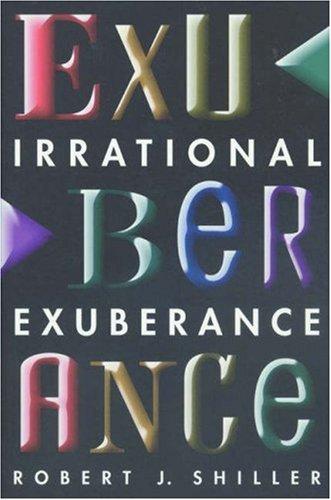
Pair with The Psychology of Money for the broader behavioral frame, and Irrational Exuberance for the macro version of the same errors playing out at market scale.