
Personal Finance.
Spend less than you make. Then optimize.
Budgeting, debt payoff, saving rates, and the household-level habits that compound into wealth — the unglamorous foundation everything else sits on.
◈ Brian's Picks

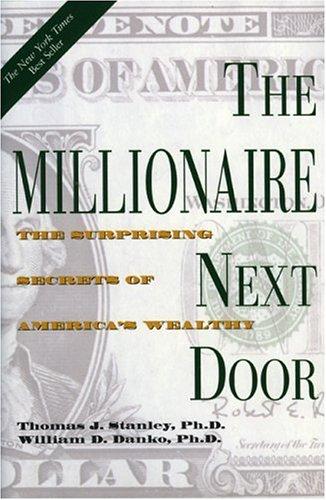
All Personal Finance
235 titles
Clever Girl Finance: Ditch Debt, Save Money and Build Real Wealth

The Next Millionaire Next Door: Enduring Strategies for Building Wealth

Clark Howard's Living Large for the Long Haul

Dave Ramsey's Complete Guide to Money: The Handbook of Financial Peace University

Isn't it their turn to pick up the check?

Footing the Tuition Bill

Middle-class lifeboat

The lies about money

Cut college costs NOW!

Guide to understanding personal finance

Credit After Bankruptcy
Mastering the financial dimension of your practice

The total money makeover

Owning Up

A woman's guide to personal finance

The complete Tightwad gazette
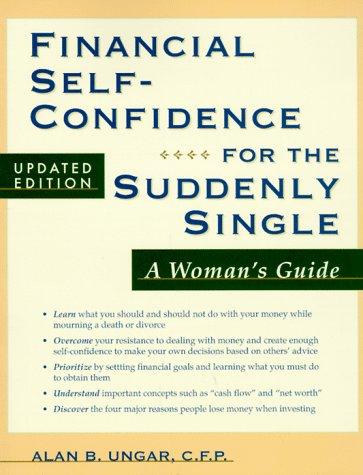
Financial Self-Confidence for the Suddenly Single

Kiplinger's Money Smart Women

The death of the banker

The essential home record book

When are you entitled to new underwear and other major financial decisions

10 m inute guide to personal finance for newlyweds

Get a financial life

The complete how to figure it
◈ Personal Finance FAQ
What's the difference between the debt avalanche and debt snowball methods?
The avalanche method pays off the highest-interest debt first, which minimizes total interest paid over time. The snowball method pays off the smallest balance first, which builds momentum through early wins. The math favors avalanche; the behavior-change books argue snowball keeps people from quitting — most authors pick a side based on which failure mode, interest cost or motivation, they think is the bigger risk for their reader.
How is a personal finance book different from an investing book?
Personal finance books cover the household layer — budgeting, saving, paying down debt, building an emergency fund. Investing books start one layer up, assuming you already have money to put to work and focusing on where it goes. Most readers get more value starting with personal finance basics before moving to investing.
What's a good first personal finance book if I'm starting from scratch?
Start with Brian's Picks in this category, above — they're chosen for readers building a foundation, not for anyone who already has a budget and an emergency fund in place.
Do personal finance books actually work, or does it come down to discipline?
Both. A book gives you a framework and vocabulary — how to think about a budget, what "paying yourself first" means in practice — but the framework only works if you apply it. The value of reading is having a plan you'll actually stick to, not the reading itself.