

Credit After Bankruptcy

Curated by Brian Kim, CPA — every pick gets a plain-English summary and the key takeaways.
Brian Kim, CPA · 2.89M YouTube Subscribers →What this book actually teaches
- 01The book's core premise is that credit recovery after bankruptcy is an active process, not a passive waiting game — systematic steps in the months following discharge can accelerate recovery well beyond what most consumers expect.
- 02Snyder covers the credit bureau dispute process in practical terms, including the specific errors that commonly appear on post-bankruptcy reports (accounts not updated to reflect discharge, balances not zeroed) and how to challenge them effectively.
- 03The secured credit card strategy is the book's most actionable framework: choosing cards that report to all three bureaus, keeping utilization low, and building a consistent on-time payment history can meaningfully move a score within twelve to twenty-four months post-discharge.
- 04Specific credit score thresholds, interest rate benchmarks, and lender underwriting guidelines reflect 2005 conditions and require verification against current offerings; the post-2009 regulatory environment (CARD Act, CFPB) is not addressed.
- 05The book distinguishes between what can be successfully disputed on a post-bankruptcy credit report and what will be validated as accurate reporting — a practical nuance that consumer credit books often gloss over.
What's in this book
Credit After Bankruptcy (2005) by Stephen Snyder is a practical recovery guide for individuals who have recently completed or are considering bankruptcy and want to understand how to rebuild creditworthiness from the ground up. Snyder, who himself went through bankruptcy before becoming a credit recovery specialist, writes from direct experience rather than from a purely theoretical framework. The book's premise is that bankruptcy, while damaging to credit, is not the end of credit access — and that informed, systematic steps taken in the months following discharge can accelerate recovery far beyond what most consumers expect is possible.
The core argument is that credit recovery after bankruptcy is a process, not a waiting game. Snyder pushes back on the conventional wisdom that bankruptcy filers simply need to wait seven to ten years for the record to age off their credit reports. Instead, he presents a structured rebuilding program: the immediate steps after discharge, how to read and dispute errors on post-bankruptcy credit reports, which types of credit accounts to open first, how secured credit cards work as the primary rebuilding tool in the early months, and how to graduate from secured to unsecured credit over time.
The credit report chapters are among the most useful sections. Snyder explains how the three major bureaus — Equifax, Experian, and TransUnion — report bankruptcy and how the reporting interacts with individual account statuses after discharge. He covers the dispute process in practical terms: how to identify reporting errors that commonly appear after bankruptcy (accounts not updated to reflect discharge, balances not zeroed out, incorrect account statuses), how to write dispute letters to the bureaus, and what to expect in the investigation and response process. The distinction between what can be disputed successfully and what will be validated as accurate reporting is handled with reasonable nuance.
The secured credit card strategy is the book's most actionable framework. Snyder explains how secured cards work — the cardholder deposits cash as collateral, which becomes the credit limit — and which features to look for when choosing a secured card issuer: reporting to all three bureaus, low annual fees, a graduation path to an unsecured card after demonstrating on-time payment history. He presents a timetable for how a consistent pattern of on-time payments across multiple small accounts can meaningfully move a credit score within twelve to twenty-four months post-discharge.
The weaknesses are primarily temporal. The specific credit score thresholds, interest rate benchmarks, and lender underwriting guidelines described reflect 2005 market conditions. The secured card landscape has changed considerably, and some of the specific product and lender recommendations require verification against current offerings. The book also does not address the post-2009 changes in consumer credit regulation — the CARD Act, CFPB oversight, and changes in how issuers evaluate new applicants — that altered the credit rebuilding environment Snyder describes.
For individuals who have recently received a bankruptcy discharge and need a practical, step-by-step guide to rebuilding credit from a low baseline, this book provides a solid foundational framework. The specific product details require updating, but the underlying strategy — systematic rebuilding through secured accounts, dispute management, and time — remains sound.
Read next

For anyone whose financial education was "get a good job and save" — the book is most valuable for first-time readers…
Buy on Amazon →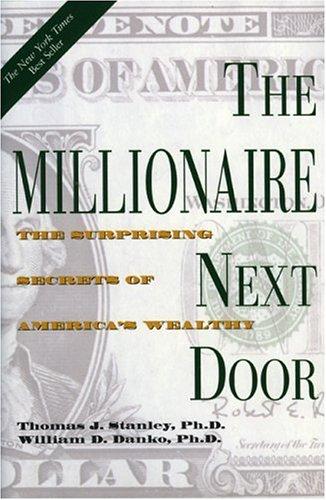
For anyone who confuses high income with wealth, or who feels behind because their lifestyle doesn't look like the we…
Buy on Amazon →
Anyone who earns enough to make discretionary spending choices but suspects their spending is not generating proporti…
Buy on Amazon →
Households in active consumer-debt distress who need a non-negotiable shared script. Not for investors already past B…
Buy on Amazon →About Stephen Snyder
Read more from Stephen Snyder and explore the full bibliography on ClearValue Books.
View Stephen Snyder's page →Get an email if our take on Credit After Bankruptcy changes.
We re-review our picks. We'll email you if Credit After Bankruptcy's ranking or review changes — no checking back.
Across the site
Featured in lists
Recommended in answers

Ready to read Credit After Bankruptcy?
Buy the edition we recommend on Amazon.
Buy on Amazon →