

Rich Dad Poor Dad
What the Rich Teach Their Kids About Money — That the Poor and Middle Class Do Not!

Curated by Brian Kim, CPA — every pick gets a plain-English summary and the key takeaways.
Brian Kim, CPA · 2.89M YouTube Subscribers →What this book actually teaches
- 01The rich don't work for money — they work to ACQUIRE assets that pay them.
- 02An asset is something that puts cash in your pocket every month; a liability takes cash OUT. Your house is usually a liability, not an asset.
- 03School teaches you to be an employee, not to be financially literate — closing that gap is on you.
- 04Most people stay in the rat race because of fear (job security) and greed (lifestyle inflation), not because they can't afford to leave.
- 05Real estate, small business, and stocks are the asset categories that historically built lasting wealth — pick the one that fits your skills and start.
What's in this book
Robert Kiyosaki's 1997 book frames financial literacy through the contrast of two father figures: his biological dad (the "poor dad" — educated, salaried, a believer in the school-job-pension path) and his best friend's dad (the "rich dad" — a small-business owner who taught Kiyosaki to think like an investor and entrepreneur). The pedagogical move is intentional: by anchoring abstract financial principles to two real (or composite) people, Kiyosaki makes ideas about assets, liabilities, and cash flow stick.
The core thesis is that the rich don't work for money — they work for assets that pay them. He defines an asset narrowly: something that puts cash in your pocket each month (rental property, dividend stocks, a business that runs without you). A liability is the opposite — your house, your car, anything that takes money out each month. Most middle-class people, he argues, mistake liabilities for assets and end up working harder while never building real wealth.
Key arguments
school teaches you to be an employee, not to be financially literate; financial literacy means understanding what an asset truly is and prioritizing buying them; fear and greed keep middle-class people in the rat race even at high incomes; real estate and small business are the historic paths to wealth because they offer leverage, depreciation, and the ability to pay yourself first; and most importantly, your job will never make you rich — owning income-producing assets will.
The book is fundamentally about reorienting how you think about money, not about specific tactics. Kiyosaki deliberately stays high-level on the assumption that once you understand the principle, you can find the tactic.
Weaknesses
Kiyosaki's specific advice (especially around real estate timing and tax avoidance) reflects 1990s conditions. Some claims about his rich dad's identity and specific business deals have been challenged. His more recent books and seminars have drifted into questionable territory. Treat THIS book as a mindset shift, not a how-to manual. Many financial planners think the book oversimplifies — it does, but the simplification is what makes it work for beginners.
The verdict
still one of the most effective books for getting a non-financial person to think about money differently. Read it for the framework, ignore the specific 90s-era tactics, and don't follow Kiyosaki's later media. Pair with The Intelligent Investor for actual investing methodology.
Read next
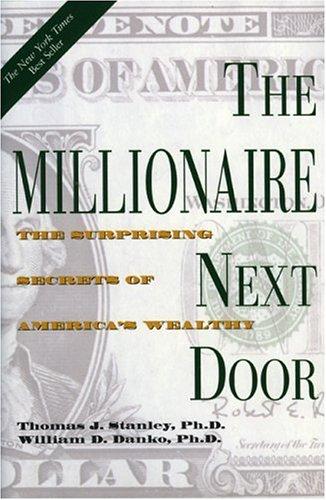
For anyone who confuses high income with wealth, or who feels behind because their lifestyle doesn't look like the we…
Buy on Amazon →
Anyone who earns enough to make discretionary spending choices but suspects their spending is not generating proporti…
Buy on Amazon →
Households in active consumer-debt distress who need a non-negotiable shared script. Not for investors already past B…
Buy on Amazon →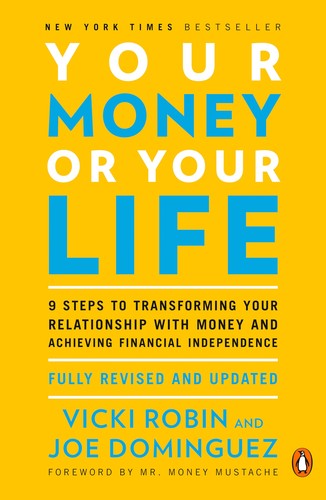
Early-to-mid-career professionals questioning the trade between hours worked and life lived, and anyone drawn to the…
Buy on Amazon →How Rich Dad Poor Dad stacks up
About Robert Kiyosaki
Read more from Robert Kiyosaki and explore the full bibliography on ClearValue Books.
View Robert Kiyosaki's page →Available formats
Get an email if our take on Rich Dad Poor Dad changes.
We re-review our picks. We'll email you if Rich Dad Poor Dad's ranking or review changes — no checking back.
Across the site
Featured in lists
Compared with
Recommended in answers
On Brian's lists

Ready to read Rich Dad Poor Dad?
Buy the edition we recommend on Amazon.
Buy on Amazon →