Rich Dad Poor Dad
"Read this first to internalize that owning income-producing assets (including your own business) is the long game. Skip Kiyosaki's current media; the original book's mindset reset is what you want."
The reading list I'd hand any new small-business client
"Most of my clients open their first business with a great product idea, a workable price, and ZERO framework for the financial side. Bookkeeping, owner compensation, tax strategy, retirement planning as a business owner — all of it lands on them at once and the first year is usually chaos as a result. These four books are what I find myself recommending most often in those first-year conversations. Read them BEFORE you've made the major decisions, not after."
"Read this first to internalize that owning income-producing assets (including your own business) is the long game. Skip Kiyosaki's current media; the original book's mindset reset is what you want."
Read this first to internalize that owning income-producing assets (including your own business) is the long game. Skip Kiyosaki's current media; the original book's mindset reset is what you want.
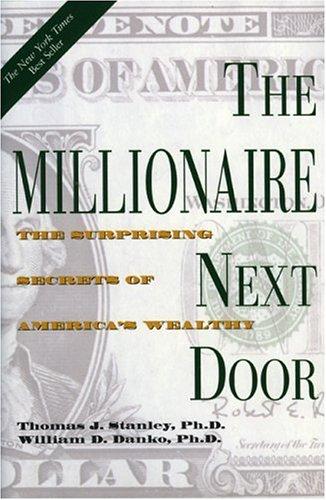
Stanley's data shows that the typical American millionaire is a SMALL business owner in an unglamorous industry — welding supplies, dry cleaning, agricultural equipment. Calibrates expectations early about what 'successful business owner' actually looks like (hint: not Instagram).
First-time business owners make emotional financial decisions because the stakes feel existential. Housel's essays inoculate against the panic patterns — especially around cash flow swings in year 1 and 2.
You'll have surplus cash to invest somewhere — eventually. Graham teaches you to think analytically about what to do with it. Most business owners I've seen either over-invest in their own business OR over-trade their personal portfolio. The framework here prevents both.
Every book on this list cleared the same three filters Brian uses when a client asks what to read first: it has to teach a durable principle (not a trick), it has to be written by a practitioner (not a pundit), and it has to be short enough that a busy operator will actually finish it.
Books that didn't make the cut weren't bad — they were redundant, dated, or aimed at an audience that already has the basics. The order matters: read them top-to-bottom and each one builds on the one before it.