
Best Books About Negotiating Your Salary.
Why earning more matters more than you think — and what no book here actually teaches
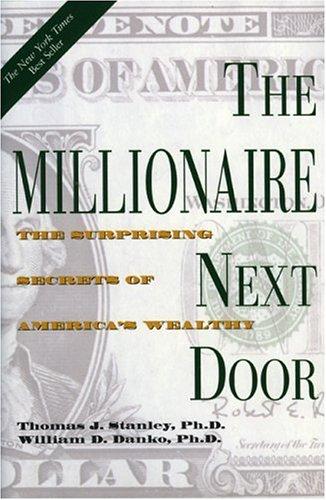
Honest read: this catalog has no salary negotiation book. There's no Never Split the Difference, no Getting to Yes, no Ask For It. If you want tactics — anchoring, mirroring, the exact scripts to use when HR comes back with a number — you need outside reading. The single best modern title is probably Chris Voss's Never Split the Difference, and the most academic but durable one is Fisher and Ury's Getting to Yes. Read one of those for the actual mechanics. What the catalog does cover, and what most negotiation guides skip, is the strategic case for why salary matters so much in the first place. Most finance content treats income as a fixed input and obsesses over spending and investing. That's backwards for the first half of most careers, when a 15% raise compounds across decades and dwarfs almost any optimization you can do on the expense side. The Psychology of Money makes the case implicitly throughout but most directly in the chapters on savings rate. Housel's argument is that wealth is the gap between what you earn and what you spend, and that widening that gap is more reliably done on the earn side, especially early in a career, than on the spend side. A 20% raise that you don't spend is a 20% raise to your savings rate. Cutting another $200 a month from a budget that's already lean isn't. The Millionaire Next Door is the data backstop. Stanley and Danko found that high-net-worth households were overrepresented in professions where income negotiation matters most — owner-operators, sales professionals, specialists who could price their own services. The book doesn't teach you how to negotiate, but it does show, in dollars, what compounding negotiation wins looks like over a 30-year career. The Next Millionaire Next Door extends the same data into the modern era. Read both back to back if you're early in your earning years. Your Money or Your Life adds the necessary counterweight. Dominguez and Robin force you to ask what you actually want the money for — and whether the higher-paying job is worth the hours and stress required to get and keep it. Salary negotiation isn't only about getting more. It's about deciding what 'more' is for. The book makes you answer that before you walk into the conversation. Rich Dad Poor Dad earns a place here only for the chapter on the limits of W-2 income. Kiyosaki's larger arguments are messier, but his point — that pure salary, no matter how negotiated, has a structural ceiling that owners and investors don't face — is worth absorbing. Negotiate hard. Then start asking what comes after the negotiation stops being the main lever. What to do with this: combine one of these books with one of the actual negotiation tactical books from outside the catalog. The strategic case for negotiating earns the right to spend time learning the tactics. The tactics without the strategic case tend to fade in the months between negotiation cycles.
Featured on this hub




Questions about this hub
Why isn't there a real negotiation book on this list?
Because the catalog doesn't currently include one. The books here cover why salary matters and how it compounds — the strategic case. For the actual tactics, read Never Split the Difference by Chris Voss or Getting to Yes by Fisher and Ury. Both are outside this catalog but standard for a reason.
How much does a single salary negotiation actually matter?
Enormously, because raises usually compound off the base. A successful $10K negotiation at age 28 isn't worth $10K. It's worth the present value of $10K plus all future percentage raises applied to a higher base — usually several hundred thousand dollars over a career. The Psychology of Money makes the compounding case clearly.
Should I focus on salary or on spending less?
Both, but if you're early in your career, income growth has higher ceiling and higher leverage than expense cuts. There's a floor under how low you can drive expenses. There isn't a clear ceiling on how high you can drive income through skills, negotiation, and career moves.