
Best Books About Real Estate Investing for Beginners.
What the catalog actually covers — and what it doesn't
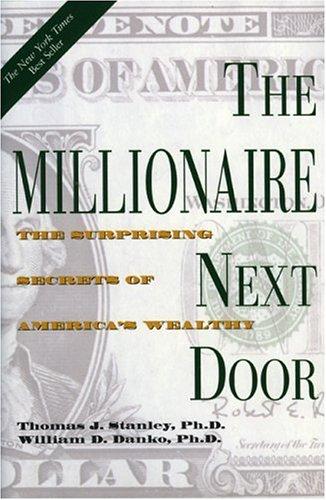
Honest disclosure up front: this catalog isn't deep on real estate. There's no BiggerPockets-style operational playbook here, no rental property analysis textbook, no flipping guide, no commercial real estate primer. If you came looking for how to underwrite a fourplex or run a BRL strategy, you'll need outside reading. What the catalog does cover, well, is the strategic and behavioral side — when real estate makes sense as part of a wealth plan, when it's being oversold to you, and how to avoid the bigger mistakes new investors make. The Automatic Millionaire Homeowner is the most directly real-estate-focused book on the list. David Bach's argument is simple: for most middle-income Americans, owning a primary residence — and eventually a second property — is the most reliable real estate exposure they'll get, because it forces savings, captures leverage, and benefits from tax treatment a small-time landlord can rarely match. The book is best on mortgage strategy and the mechanics of buying your first home. It's weakest where it gets into rental investing — light on the operational reality of being a landlord. Use it as a homeownership book, not a rental empire blueprint. Rich Dad Poor Dad belongs on this list with a caveat. Kiyosaki's framing — assets put money in your pocket, liabilities take money out — is the cleanest mental model a beginner can adopt before looking at any property. His specific advice and personal anecdotes are a different matter; treat those as motivational, not operational. The single useful idea here is the asset/liability distinction. Take that, leave the rest. The Millionaire Next Door isn't a real estate book, but it's the most important counterweight in the catalog. Stanley and Danko's data shows that most American millionaires got there through high-income jobs, frugal living, and boring investments — not real estate empires. Read it before you take on six-figure leverage to chase rental cash flow. It calibrates expectations. The Psychology of Money rounds this out. Housel's chapter on the role of luck and timing is essential reading before you assume real estate is a sure thing. Anyone who bought in 2010 looks like a genius. Anyone who bought in 2006 spent a decade underwater. Beginners should know which story they're telling themselves before they sign anything. What to do with this: use these books to build the strategic frame. For the actual mechanics — analyzing a deal, screening tenants, managing rehab costs, choosing financing — buy a copy of Brandon Turner's The Book on Rental Property Investing or work through BiggerPockets' free content. The catalog gets you the mindset. The mechanics live elsewhere.



Questions about this hub
Is Rich Dad Poor Dad a real estate book?
Not really. It's marketed that way because Kiyosaki invests in real estate, but the book is a mindset book with real estate examples. Read it for the asset/liability framework. Don't read it as a how-to.
Why isn't there a book on rental property analysis here?
The catalog leans toward strategy, behavior, and indexing. It doesn't currently include deal-analysis textbooks. The best free resource is BiggerPockets' calculators and forums. The best paid one is Brandon Turner's books. Use those alongside what's on this list.
Is buying a primary residence really 'investing'?
Mostly no — it's housing with a forced-savings side effect. The Automatic Millionaire Homeowner makes the most generous case for it. The Millionaire Next Door is more skeptical. Read both before deciding how much house to buy.