

The Automatic Millionaire Homeowner: A Powerful Plan to Finish Rich in Real Estate

Curated by Brian Kim, CPA — every pick gets a plain-English summary and the key takeaways.
Brian Kim, CPA · 2.89M YouTube Subscribers →What this book actually teaches
- 01Homeownership's forced savings mechanism — you pay the mortgage whether you want to or not — is Bach's argument for why it builds more wealth than discretionary investing for most people.
- 02Biweekly mortgage payments (rather than monthly) result in one extra full payment per year, shortening a 30-year loan by five to seven years and reducing total interest substantially.
- 03The rent-versus-buy arithmetic Bach presents depends on local market conditions, time horizon, and tax situation — the calculation is not as universal as the book suggests.
- 04Published at the 2006 peak of the housing bubble, the book's bullish treatment of adjustable-rate and interest-only mortgages should be read against what happened in 2008.
- 05The automation framework transfers well; the bubble-era confidence in real estate as a one-way wealth vehicle does not.
What's in this book
David Bach's The Automatic Millionaire Homeowner (2006) makes one central argument: homeownership, automated and held long enough, is the most reliable wealth-building vehicle available to ordinary Americans, and the people who delay buying because they can't afford a "perfect" down payment or are waiting for the right market are making a wealth-destroying mistake. Bach, author of The Automatic Millionaire and the Finish Rich book series, extends his automation thesis from saving to real estate, arguing that the forced savings mechanism of a mortgage — you pay it whether you feel like it or not — is precisely why homeownership builds more wealth for more people than discretionary investing does.
The book is organized around the steps Bach sees as the homeownership wealth track. The renting-versus-buying analysis is the opening move: Bach argues, with rough arithmetic, that renting is typically more expensive than owning over a ten-plus-year horizon once you account for principal paydown, tax deductibility of mortgage interest, and appreciation — a calculation that requires assumptions he makes more confidently than the data warrants. The mortgage chapter covers the types of mortgages available in 2006, including interest-only loans and adjustable-rate products that were common at the time, and Bach's guidance here reflects the pre-2008 lending environment in ways that matter. The automation chapter covers biweekly payment programs and their effect on loan amortization — paying biweekly rather than monthly results in one extra full payment per year, which shortens a 30-year mortgage by roughly five to seven years and significantly reduces total interest paid. The real estate investment chapter covers the basics of purchasing rental property as an extension of the homeownership wealth track.
This is aimed at renters who are on the fence about buying, first-time buyers uncertain about the process, and existing homeowners who haven't thought about accelerating their mortgage payoff.
The weaknesses are significant in context. Published in 2006, at the peak of the housing bubble, the book's bullish case for real estate as a one-way wealth machine does not acknowledge the downside scenario that arrived two years later. The mortgage product landscape Bach describes — including the interest-only and ARM products he doesn't aggressively warn against — contributed directly to the 2008 crisis. The rent-versus-buy arithmetic also depends heavily on local market conditions, time horizon, and tax situation, and Bach's presentation is more universal than the math supports. In high-cost coastal markets, the buy-at-any-cost thesis has cost buyers significantly. The automation framework for mortgage acceleration — biweekly payments — remains valid and is one of the durable takeaways.
Worth reading for the biweekly payment framework and for the psychological case for committing to homeownership — but the bubble-era confidence about real estate as a universal wealth builder should be read critically against the post-2008 historical record.
Read next

For individual long-term investors who can hold concentrated positions for five to twenty years and want a framework…
Buy on Amazon →
For experienced investors who are comfortable with DCF mechanics and want a more disciplined, market-price-anchored f…
Buy on Amazon →
Early- and mid-career W-2 employees who want a single, executable wealth-building plan without becoming amateur portf…
Buy on Amazon →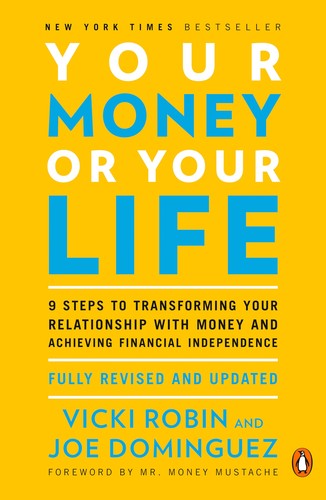
Early-to-mid-career professionals questioning the trade between hours worked and life lived, and anyone drawn to the…
Buy on Amazon →About David Bach
Read more from David Bach and explore the full bibliography on ClearValue Books.
View David Bach's page →Get an email if our take on The Automatic Millionaire Homeowner: A Powerful Plan to Finish Rich in Real Estate changes.
We re-review our picks. We'll email you if The Automatic Millionaire Homeowner: A Powerful Plan to Finish Rich in Real Estate's ranking or review changes — no checking back.
Across the site
Featured in lists
Recommended in answers
On Brian's lists

Ready to read The Automatic Millionaire Homeowner: A Powerful Plan to Finish Rich in Real Estate?
Buy the edition we recommend on Amazon.
Buy on Amazon →