
Best Books for Realtors and Real Estate Agents.
Personal finance reads for commission-based income and feast-or-famine cash flow
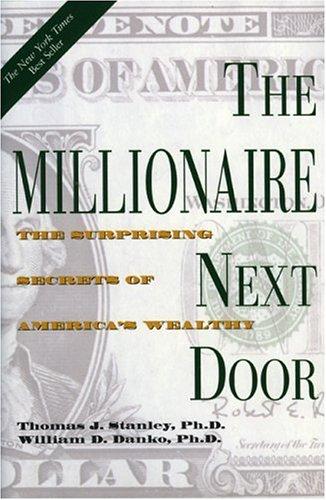
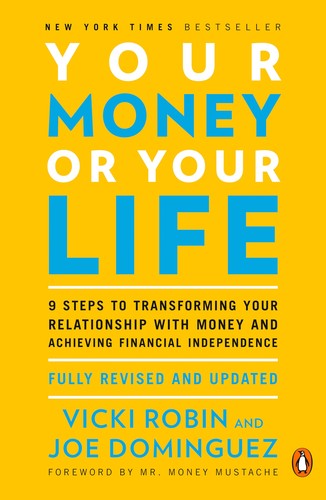
Real estate agents have a financial profile that breaks most personal finance advice. Income is lumpy, often by 5-to-1 month over month. Most income is reported on a 1099, which means quarterly estimated taxes, no employer-side payroll tax payment, and no automatic retirement contribution. Commission splits and brokerage fees come off the top before the agent sees a dollar. Health insurance, disability, and self-employment retirement plans are all the agent's own problem. Add to that the fact that agents live inside a culture where buying a personal home is treated as financial validation, and you have a profession where the financial discipline that matters isn't intuitive. The Millionaire Next Door is the foundational read. Stanley and Danko's research included commission-based professionals, and the pattern they found is the one most agents underestimate: high gross income, low accumulated wealth, lifestyle that scales with peak commission months instead of trough months. The chapters on household income vs. accumulated wealth and on lifestyle inflation are the most important. The chapters on running the personal balance sheet like a business apply directly to a commission-based career. Your Money or Your Life is the book for agents trying to figure out how much they actually need to earn. The exercise of calculating real hourly wage — gross commission less brokerage split, marketing spend, vehicle costs, self-employment tax, health insurance — is sobering for most agents and changes how they price their time. The expense-tracking discipline is unusually well-suited to a self-employed reader who needs to separate business and personal cash flow for tax reasons anyway. The Total Money Makeover is the right book for the agent carrying significant consumer or business debt and trying to build the cash buffer that lumpy-income earners need more than salaried earners do. Ramsey's baby steps are the wrong investment framework long-term, but the discipline of building a real emergency fund (closer to 6-12 months for a 1099 earner than the standard 3-6) is critical, and the book is good at that. The Simple Path to Wealth is the framework to read once the agent has a stable income floor and is ready to invest seriously. JL Collins's broad-market index framework is the right strategy for a self-employed earner with a SEP IRA or Solo 401(k). The book doesn't address the self-employed retirement plan structures specifically, but the underlying investing strategy is the same. The Automatic Millionaire Homeowner is on the list for one reason: real estate agents read more real estate finance books than anyone else, and most of them are bad. Bach's book is moderate, accessible, and treats home ownership as a financial strategy with both upside and trade-offs. It's not a great book. It's the least-bad popular book in the homeowner-personal-finance category, and it's worth reading specifically to be able to evaluate the dozens of worse books in the same space that agents get recommended at conferences.
Featured on this hub


Questions about this hub
Should I read books written for W-2 earners if I'm 1099?
Yes, with translation. The behavioral foundations (lifestyle inflation, savings rate, debt discipline) are the same for any earner. The tactical layer (retirement plan choice, quarterly taxes, health insurance) is different and isn't covered by general-audience books. Read the books on this list for the behavioral foundation; consult a CPA who specializes in self-employed clients for the tactical layer.
How much emergency fund does a commission-based earner need?
More than the standard advice. Three-to-six months is the default recommendation for W-2 earners with stable income. A commission earner with lumpy income should target 6-12 months of fixed expenses, ideally in a high-yield savings account that's psychologically separate from the operating account. None of the books say this explicitly; it's the consensus across self-employed-focused advisors.