
The Best Real Estate Books for Beginners.
Where to start when you know nothing about buying property
Most people learn about real estate the expensive way — from a realtor, a mortgage broker, or the hard lesson of a bad first purchase. Books can't replace experience, but they can prevent the most costly beginner mistakes: overpaying because you didn't understand comparable sales, over-leveraging because nobody explained debt service coverage, or structuring a purchase incorrectly because estate planning never crossed your mind. The five books on this list cover real estate from the ground up — the mindset shift required to think like an investor rather than a homebuyer, the financial mechanics of leverage and equity, the legal structures that protect your assets, and the long-term wealth-building framework that turns a single property into a portfolio. Read them before you talk to a realtor and you'll negotiate from a position of knowledge rather than excitement.
Books were selected for accessibility to someone with no prior real estate knowledge, practical actionability, and coverage of the full wealth-building arc — not just the transaction. Works focused narrowly on house-flipping or advanced investing strategies were excluded from this beginner list.
The list, in order
- №1◈ First Home Strategy
The Automatic Millionaire Homeowner: A Powerful Plan to Finish Rich in Real Estate
by David Bach · 2005
David Bach's entry point into real estate investing reframes homeownership from a lifestyle purchase into a wealth-building system. The 'latte factor' framework applied to real estate — automating your mortgage paydown and building equity without thinking about it — is the right mental model for beginners who aren't ready to actively manage investment properties but want to stop renting. Bach makes the math of homeownership vs. renting undeniably clear.
- №2◈ Wealth Mindset
Rich Dad Poor Dad
by Robert Kiyosaki · 1997
◈Canon★Brian's PickRobert Kiyosaki's foundational distinction between assets and liabilities reframes why you'd buy real estate at all. It's the book that turns people who buy homes into people who invest in property — a fundamental shift in perspective that everything else on this list builds on. The specific tactics are dated; the mindset framework is not.
- №3◈ Beginner Roadmap
Set for life
by Scott Trench
Scott Trench's book is the most practical first-year roadmap for someone who wants to use real estate as a path to financial independence. His framework of reducing expenses aggressively, house hacking your first property to eliminate rent, and reinvesting the savings into additional properties is a system beginners can execute without a large starting capital base. The math is specific and reproducible.
- №4◈ Wealth Research
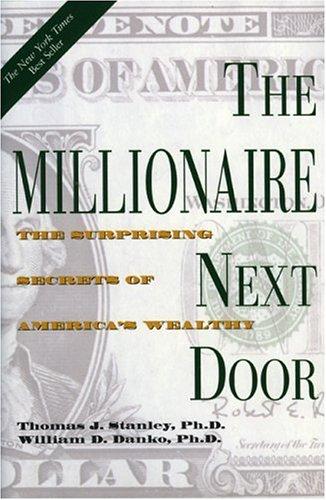
The Millionaire Next Door
by Thomas Stanley · 1996
◈Canon★Brian's PickThomas Stanley's research on how actual millionaires build wealth — consistently, quietly, and primarily through real estate and business ownership rather than stock speculation — is the best antidote to get-rich-quick real estate thinking. Understanding that most real estate wealth is built over 20-30 years of patient accumulation changes how beginners set expectations and make decisions.
- №5◈ Legal Structure
Make your own living trust
by Denis Clifford
Denis Clifford's guide to living trusts addresses the legal structure question that most real estate beginners never think about until they own two or three properties — by which point they've already made costly structural mistakes. Understanding trust vs. LLC vs. personal ownership before your first purchase lets you set up the right entity from the start and avoid the expensive legal clean-up that comes later.



Get notified when our book picks change.
Set it once. We'll email you when a pick worth knowing about changes — no checking back.
Questions about this list
Do I need a lot of money saved to buy my first investment property?
Not necessarily. 'Set for Life' outlines house hacking — buying a small multi-family property, living in one unit, and renting the others — which can let you purchase with as little as 3.5% down via FHA financing. The rental income from other units covers most or all of your mortgage, dramatically reducing the capital barrier to entry.
Is real estate still a good investment in 2026 with interest rates where they are?
Real estate returns are rate-sensitive but not rate-dependent. Higher rates compress margins on leveraged purchases but also reduce competition and can force price corrections that improve long-term entry points. 'The Millionaire Next Door' data shows that most real estate wealth was built across multiple rate environments — the key variable is time horizon, not rate conditions.
Should I buy a home or invest in real estate first?
Both at once if you can — that's the house hacking strategy in 'Set for Life.' If you must choose, buying a primary residence first lets you access better financing terms (lower down payment, better rates) while building equity. The mental framework from 'Rich Dad Poor Dad' will help you evaluate whether your primary residence is truly an asset or a liability disguised as one.