
The Best Books for Rental Property Investing.
Build passive income and long-term equity through buy-and-hold real estate
Rental property investing is one of the most reliable paths to passive income — but 'reliable' and 'easy' are not synonyms. The investors who build durable rental portfolios understand cash flow analysis, landlord-tenant law, property management economics, and tax strategy well before they close on their first deal. The ones who struggle bought on appreciation assumptions, ignored vacancy rates, and treated tenants as passive income machines rather than the customers who fund their cash flow. The books on this list address every dimension of the rental property journey: the foundational mindset shift that makes you see property as a business, the long-term wealth framework that rental income enables, the first-property blueprint, the entity structure that protects what you build, and the business ownership context that turns a side hustle into a scalable enterprise. Together they give you both the vision and the operating manual.
Evaluated on practical applicability to buy-and-hold rental investing specifically, depth of financial analysis guidance, and durability of the advice across market cycles. Books focused purely on flipping or commercial real estate were excluded.
The list, in order
- №1◈ Automation Framework
The Automatic Millionaire Homeowner: A Powerful Plan to Finish Rich in Real Estate
by David Bach · 2005
David Bach's systematic approach to building equity through automation translates directly to rental property management. The core principle — set up automatic payments, automatic reinvestment of cash flow, and automatic equity paydown — is the operating framework that turns a single rental into a self-sustaining wealth machine over time. Rental investors often overcomplicate the strategy; Bach simplifies it back to fundamentals.
- №2◈ Investment Mindset
Rich Dad Poor Dad
by Robert Kiyosaki · 1997
◈Canon★Brian's PickKiyosaki's framework for thinking about real estate as cash-flow-generating assets rather than appreciation bets is the single most important mindset shift for rental investors. Every decision in rental property — what cap rate to accept, whether to sell or refinance, how to structure tenant agreements — flows from understanding whether you're building a cash flow machine or speculating on price appreciation.
- №3◈ First Property Blueprint
Set for life
by Scott Trench
Scott Trench's step-by-step path from zero to financial independence through real estate is the most actionable first-property guide available. His emphasis on buying a small multi-family as your first rental — living in one unit while renting the rest — dramatically lowers the capital requirement and lets you learn property management while your tenants subsidize your housing. The financial models are specific and testable.
- №4◈ Tax & Entity Strategy
The Business Owner's Guide to Financial Freedom: What Wall Street Isn't Telling You
by Mark J Kohler · 2017
Mark Kohler and Mat Sorensen treat rental property ownership as a business — which it is — and provide the tax, entity, and retirement strategy framework that most landlords figure out only after they've paid unnecessary taxes for years. The sections on self-directed IRAs for real estate and the optimal entity structure for rental portfolios are worth the price of the book alone.
- №5◈ Wealth Building Context
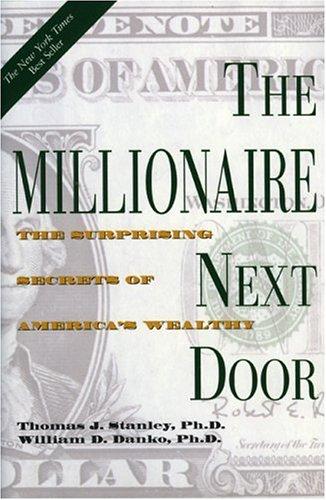
The Millionaire Next Door
by Thomas Stanley · 1996
◈Canon★Brian's PickStanley's research grounds rental property investing in the reality of how wealth is actually accumulated — slowly, consistently, and through boring buy-and-hold strategies rather than HGTV-style flipping. Rental investors who read this book stop chasing appreciation markets and start evaluating deals purely on current cash flow, which is the discipline that protects them when markets correct.


Get notified when our book picks change.
Set it once. We'll email you when a pick worth knowing about changes — no checking back.
Questions about this list
What is a good cash-on-cash return for a rental property?
Most experienced investors target 8-12% cash-on-cash return minimum, though this varies significantly by market. Cash-on-cash measures annual pre-tax cash flow against the actual cash invested (down payment + closing costs + initial repairs). A property priced for 5% cap rate in a hot market may look attractive but leave no margin for vacancy, maintenance, or rate adjustments on variable-rate loans.
Should I manage my own rental properties or hire a property manager?
For your first one or two properties, self-managing teaches you the business in a way that makes you a better evaluator of property managers later. Property managers typically charge 8-12% of monthly rent plus lease fees — model this cost into your cash flow analysis before purchase, so the property works even with professional management. The business framework in 'The Business Owner's Guide to Financial Freedom' helps you make this decision systematically.
What entity should I use to hold rental properties?
Most attorneys recommend a separate LLC for each property or a series LLC where available, primarily for liability isolation. The specifics depend on your state's LLC laws and how many properties you own. 'The Business Owner's Guide to Financial Freedom' covers this in depth and also addresses when a land trust makes more sense than an LLC for privacy reasons.