
The Best Books for House Hacking.
Let your tenants pay your mortgage while you build equity from day one
House hacking is the most powerful wealth-building strategy most people have never heard of. The premise is simple: buy a small multi-family property (duplex, triplex, or fourplex), live in one unit, rent the others, and use that rental income to cover most or all of your mortgage. You build equity, build landlord experience, and eliminate or drastically reduce your biggest monthly expense — all simultaneously. The strategy works in expensive cities and affordable markets alike because the math scales with the purchase. The books on this list give you the complete framework: the financial independence vision that makes house hacking worth the short-term lifestyle trade-off, the step-by-step first-property blueprint, the homeowner automation system that keeps it low-maintenance, the mindset foundation that frames property as an investment rather than a consumption item, and the long-term wealth roadmap that shows where house hacking leads.
Selected for direct applicability to the house hacking model — specifically the combination of owner-occupied financing, rental income offset, and first-property acquisition. Books focused on commercial real estate or large-scale portfolio management were excluded in favor of titles that address the early-stage investor.
The list, in order
- №1◈ Core Strategy
Set for life
by Scott Trench
Scott Trench essentially wrote the house hacking manual. His step-by-step framework — reduce expenses, eliminate rent by house hacking, invest the savings aggressively — is the clearest articulation of why this strategy is so powerful for young investors with limited starting capital. He provides specific financial models, tenant screening frameworks, and the FHA loan mechanics that make the first purchase accessible. This is the book to read before you look at a single listing.
- №2◈ Equity Automation
The Automatic Millionaire Homeowner: A Powerful Plan to Finish Rich in Real Estate
by David Bach · 2005
David Bach's automation framework complements the house hacking model perfectly. Once you've purchased your first multi-family, Bach's system for automating mortgage paydown, insurance, and reinvestment handles the financial management side so you can focus on the landlord relationship side. The book also provides the mathematical case for why every year of ownership compounds your equity position in ways that rent never can.
- №3◈ Asset Mindset
Rich Dad Poor Dad
by Robert Kiyosaki · 1997
◈Canon★Brian's PickThe mindset shift in Kiyosaki's book — that your primary residence can be structured as an asset rather than a liability — is the intellectual foundation for house hacking. Most people think of their home as a place to live; house hackers think of it as a business that happens to include their housing. Making that mental leap before you start looking at properties changes every evaluation you make.
- №4◈ Financial Independence Context
The Simple Path to Wealth
by Jl Collins · 2016
◈Canon★Brian's PickJL Collins' financial independence roadmap provides the destination that house hacking is one route toward. Understanding the full FI framework — what you're building toward, how much is enough, and how to invest the cash flow once your house hack is cash-flow-positive — turns house hacking from a housing hack into a coherent wealth strategy. Collins is particularly useful for house hackers who wonder whether to pay down the mortgage or invest the cash flow.
- №5◈ Wealth Validation
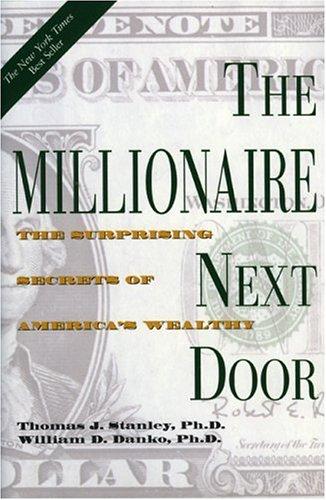
The Millionaire Next Door
by Thomas Stanley · 1996
◈Canon★Brian's PickStanley's research shows that the majority of millionaires built wealth by living below their means and investing the difference — which is exactly what house hacking mechanizes. The book validates the house hacking philosophy with decades of data on how real wealth accumulates, and it provides the psychological permission many first-time house hackers need to live more modestly than their income would allow.


Get notified when our book picks change.
Set it once. We'll email you when a pick worth knowing about changes — no checking back.
Questions about this list
What type of property is best for house hacking?
Duplexes, triplexes, and fourplexes are the classic house hacking vehicles because they qualify for owner-occupied financing (FHA down to 3.5%, conventional down to 5%) while providing multiple rental units. Fourplexes offer the most rental income but require more management. Single-family homes with ADUs or basement apartments can also work but typically require larger down payments relative to the rental income generated.
How long do I have to live in a house hack before I can move out?
FHA loans require owner-occupancy for at least one year. Conventional loans with owner-occupied terms typically require 12 months as well. After that period, you can move out and convert the entire property to a rental, applying the same owner-occupied financing strategy to your next purchase. Most experienced house hackers repeat this cycle every one to two years.
Is it awkward living next to your tenants?
It can be, especially if you haven't screened tenants carefully or set clear boundaries upfront. The solution isn't to avoid house hacking — it's to treat the tenant relationship professionally from day one. 'Set for Life' covers tenant screening and landlord-tenant boundary-setting specifically in the house hacking context, which is meaningfully different from remote landlording.