
Best Books for High Earners Who Can't Save Enough.
When the income is there and the savings rate isn't
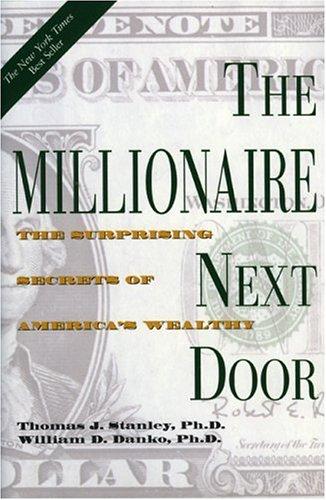
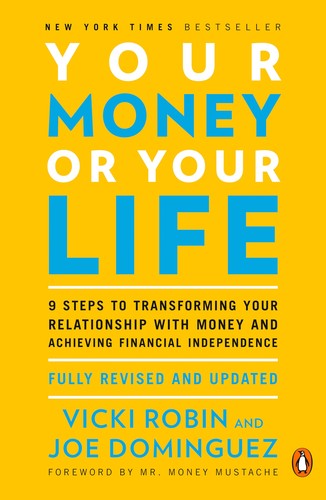
There's a specific kind of financial trouble that hits people making $200,000 a year. The income is real, the lifestyle is rational on paper, and yet the savings rate is stuck at 8% and the net worth doesn't match the resume. This is what Stanley called the 'income statement affluent' — people who look rich and aren't. The books below are written for that reader: someone who doesn't need a budgeting app, needs a thesis change. The Millionaire Next Door is the diagnostic. Stanley's central distinction — between 'prodigious accumulators of wealth' and 'under accumulators of wealth' — and the formula he provides for calculating where you fall (expected net worth = age × income × 0.112) is a uncomfortable mirror. Most high earners who run the number are under-accumulators by a wide margin. The book explains why with data instead of judgment. The Next Millionaire Next Door is the updated version, and for high earners it's actually the more useful one. Sarah Stanley Fallaw's research is more current, addresses dual-career households, and explicitly engages with the lifestyle-creep failure mode (the bigger house, the second car, the private school, the discretionary travel) that's specific to this income bracket. Your Money or Your Life by Vicki Robin is on the list because high earners often have the worst answer to her central question: 'What is your real hourly wage?' Once you subtract taxes, the commute, the work clothes, the work-adjacent dining and travel, the at-work coping spending, a $300,000 salary can pencil out to a real hourly wage that's lower than someone making half as much in a job they don't hate. Robin doesn't argue for quitting — she argues for clarity. The Psychology of Money is the last read and the most important. Housel's argument that the goal of money is to control your time, and that wealth is what you don't spend, applies hardest to the people who could most easily ignore it. The Automatic Millionaire Homeowner is included as the tactical leg: David Bach's automation-first approach (paying yourself first, before lifestyle creep eats the raise) is the single highest-leverage change a high earner can make.
Featured on this hub



Questions about this hub
Why am I making this much and still not saving?
Lifestyle creep. Each raise gets absorbed into a slightly more expensive baseline before it ever reaches a savings account. The fix is structural — automate the saving off the top of every paycheck, before it hits checking — not motivational. Bach's Automatic Millionaire Homeowner covers the mechanics.
How do I figure out if my savings rate is actually a problem?
Run Stanley's formula from The Millionaire Next Door: multiply your age by your pre-tax income and divide by 10 (more precisely, ×0.112). If your net worth is below that number, you're under-accumulating relative to what your income should produce. It's not a moral judgment — it's a diagnostic.