
Best Books About Tax Strategy.
What general-audience books actually teach you about taxes (and what they don't)
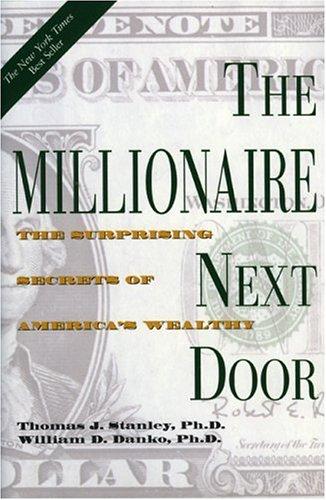
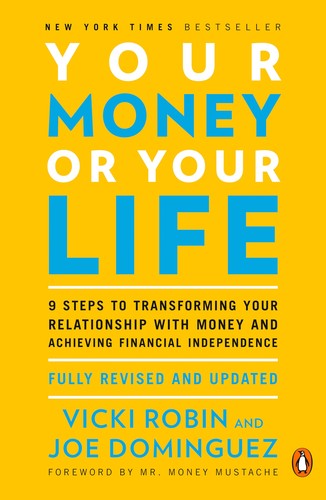
There's a category of personal finance book that calls itself a tax strategy book and shouldn't. The actual tax code changes every year, the high-impact strategies depend heavily on entity structure and income level, and the cost of getting it wrong is large enough that nobody should be relying on a 300-page mass-market book to optimize their taxes. What general-audience books CAN teach is the strategic layer above the tax code — which accounts to fund in which order, why the entity wrapper matters more than the underlying investment, how to think about lifetime tax burden vs. current-year tax burden. The books on this list do that part well. None of them will tell you how to file. The Simple Path to Wealth is the cleanest plain-English explanation of the account-prioritization stack in print. JL Collins walks through 401(k) match → HSA → Roth IRA → back to 401(k) → taxable brokerage with the actual reasoning at each step. The strategic insight most readers miss the first time through is that the order isn't about today's tax bracket — it's about the integral of your lifetime tax bracket, and most accumulators are in a lower bracket in retirement than they think they will be. Collins is dogmatic about Roth conversions in a way that doesn't generalize cleanly across income levels. Adjust for your situation. The Millionaire Next Door is on the list because the highest-leverage tax strategy for most households isn't a deduction — it's a savings rate that fills the tax-advantaged accounts every year. Stanley and Danko's data shows that the actually-wealthy households were the ones maxing tax-advantaged accounts long before they thought about exotic structures. Read the chapters on accumulated wealth ratios and on income-vs.-savings priority. Your Money or Your Life isn't a tax book and doesn't pretend to be. It earns a slot because the framework forces you to look at after-tax life energy per dollar earned. A salaried earner doing the calculation honestly realizes that their effective tax rate is higher than their marginal bracket suggests once you include payroll taxes, state taxes, and lost deductions. That recalibration changes which jobs, side businesses, and pre-tax accounts make sense. Rich Dad Poor Dad is on the list with a warning. Kiyosaki spends real time on the tax advantages of business entities and real estate, and the high-level point (corporate-side tax treatment differs from W-2 tax treatment in important ways) is correct. The specific tactics are oversimplified to the point of being misleading for most readers and have been used to justify questionable structures by people who shouldn't have used them. Read it for the framework. Do not act on the specifics without a CPA. The Psychology of Money belongs here for one chapter — the one on getting wealthy vs. staying wealthy. The single most expensive tax mistake most accumulators make isn't a missed deduction. It's a panicked sale during a downturn that turns paper losses into realized losses and unwinds years of unrealized gain optimization at the worst possible moment.



Questions about this hub
Is there a single book that will save me on my taxes this year?
No. The current-year tax code is too detail-dense for a general-audience book to cover responsibly, and the rules change annually. For current-year tax-prep, use IRS publications and a current-year tax software walkthrough or a CPA. The books on this list teach the strategic layer that determines how much tax optimization is even available to you over a lifetime.
What's the highest-leverage tax move most readers are missing?
Filling tax-advantaged accounts in the right order. Most households leave money on the table not by missing exotic deductions, but by funding a taxable brokerage account before they've maxed the 401(k), HSA, and IRA. The Simple Path to Wealth covers this clearly.
Are real estate tax strategies worth pursuing?
Sometimes. Depreciation, 1031 exchanges, and cost-segregation studies are genuinely powerful for the right investor at scale. They are also a common source of overconfidence and audit risk for investors who picked up the concept from a book without professional planning. Rich Dad Poor Dad will introduce the concepts; do not implement them without a CPA who specializes in real estate.