

The lies about money

Curated by Brian Kim, CPA — every pick gets a plain-English summary and the key takeaways.
Brian Kim, CPA · 2.89M YouTube Subscribers →What this book actually teaches
- 01The true cost of a mutual fund is far higher than its stated expense ratio once trading costs, soft dollars, and tax drag are counted.
- 02ETFs are structurally more tax-efficient than mutual funds because in-kind redemptions avoid forced capital-gains distributions.
- 03Year-end mutual-fund distributions can trigger tax bills in losing years — a hidden cost Edelman calls out forcefully.
- 04A globally diversified, rebalanced, passively managed portfolio beats stock-picking and fund-picking for most investors.
- 05Any advisor who can't itemize every dollar of their compensation — including 12b-1 fees and revenue sharing — is the wrong advisor.
What's in this book
Ric Edelman's argument is that the retail mutual fund industry — and the advisors who sell it — systematically harm individual investors through hidden costs, tax inefficiency, and incentives that put the firm's interests ahead of the client's. The book is a polemic against retail mutual funds and a pitch for a specific alternative: globally diversified, passively managed, exchange-traded portfolios held in tax-aware structures and rebalanced on a disciplined schedule. Edelman, who built one of the largest independent RIA firms in the U.S., is essentially writing the case for the model his firm operates.
The core arguments come in three layers. First, the indictment of mutual funds: stated expense ratios understate the true cost of ownership because they exclude brokerage commissions, bid-ask spreads, soft-dollar arrangements, and the tax drag from involuntary capital-gains distributions. Edelman walks through how a fund advertising a 1.2% expense ratio can cost a holder closer to 3-4% all-in once trading costs and tax inefficiency are counted. He is especially hard on funds held in taxable accounts, where the year-end distribution can trigger a tax bill even in a year the fund lost money.
Second, the case for ETFs and indexing — written before the ETF wave fully arrived in retail. Edelman argues that ETFs are structurally more tax-efficient (in-kind redemptions avoid forced distributions), cheaper, and more transparent than the equivalent mutual fund. Third, the asset-allocation framework: broad global diversification across asset classes (U.S. equities, international developed, emerging, REITs, multiple bond sleeves, commodities), rebalanced on a schedule, with allocations driven by life stage rather than market forecasts.
Edelman also spends real time on advisor incentives, fee structures (commission vs. fee-only vs. AUM), and the conflicts embedded in 12b-1 fees, revenue-sharing arrangements, and broker-dealer wrap programs. The reader is meant to walk away skeptical of any advisor who can't explain every dollar of their compensation.
Who this is for: investors who currently hold actively managed mutual funds (especially in taxable accounts) and want a framework for evaluating whether to switch, and anyone shopping for a financial advisor who needs vocabulary for the questions to ask.
Weaknesses
the book is from 2007 and parts have aged unevenly. The mutual-fund industry has cut fees significantly under ETF pressure; some of the cost gaps Edelman cites have narrowed. Edelman's preferred allocation includes commodities and other alternatives that have underperformed for long stretches since publication. The book is also unmistakably a vehicle for Edelman's firm's investment philosophy — readers should recognize they are reading a partisan, not a neutral, source. Critics note that the same arguments are made more concisely (and without the firm-marketing undertone) by Jack Bogle, William Bernstein, or the Elements of Investing.
Verdict
useful for investors stuck in expensive actively managed funds who need motivation to change. Read it alongside a Bogle or Bernstein book to triangulate.
Read next

For anyone whose financial education was "get a good job and save" — the book is most valuable for first-time readers…
Buy on Amazon →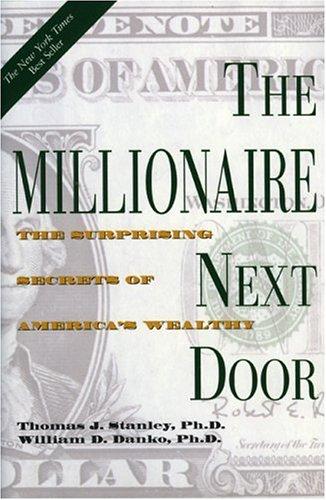
For anyone who confuses high income with wealth, or who feels behind because their lifestyle doesn't look like the we…
Buy on Amazon →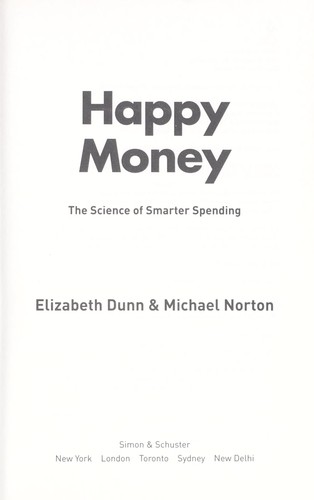
Anyone who earns enough to make discretionary spending choices but suspects their spending is not generating proporti…
Buy on Amazon →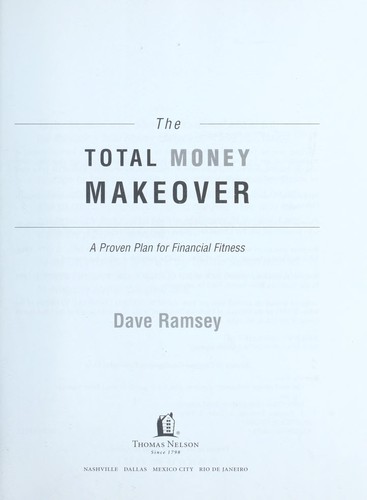
Households in active consumer-debt distress who need a non-negotiable shared script. Not for investors already past B…
Buy on Amazon →About Ric Edelman
Read more from Ric Edelman and explore the full bibliography on ClearValue Books.
View Ric Edelman's page →Get an email if our take on The lies about money changes.
We re-review our picks. We'll email you if The lies about money's ranking or review changes — no checking back.
Across the site
Featured in lists
- The Best Financial Psychology Books (#5 pick)

Ready to read The lies about money?
Buy the edition we recommend on Amazon.
Buy on Amazon →