

Clark Howard's Living Large for the Long Haul

Curated by Brian Kim, CPA — every pick gets a plain-English summary and the key takeaways.
Brian Kim, CPA · 2.89M YouTube Subscribers →What this book actually teaches
- 01Howard's central framework is "living large" in the sense of maximizing real quality of life per dollar spent — his argument is that the gap between list price and what an informed consumer pays is consistently large enough to materially improve financial position over time without reducing actual life quality.
- 02The automotive chapters are the book's strongest practical contribution: Howard covers the depreciation curve that makes year-two or year-three used vehicles the value sweet spot, total cost of ownership as the relevant decision metric (not monthly payment), and negotiation tactics grounded in dealership economics.
- 03The post-2008 housing guidance is more cautious than pre-crisis consumer advice: Howard makes a more nuanced case for when renting beats buying than most personal finance books, and addresses the specific mortgage structures (adjustable-rate, low-down-payment with PMI) that left households vulnerable to payment shock.
- 04The book is organized as a consumer-spending guide rather than a complete financial planning resource — the investing, tax strategy, and retirement planning sections are thinner than dedicated books on those topics, and readers who need wealth-building guidance rather than spending optimization will find it insufficient on its own.
- 05Specific technology and service-provider recommendations have dated since 2013, but the underlying consumer framework — treat total cost of ownership as the decision unit, view recurring charges as requiring active renewal decisions, and be a patient buyer in categories with significant price variance — transfers well.
What's in this book
Clark Howard's Living Large for the Long Haul (2013) by Clark Howard is a consumer advocacy and personal finance guide organized around the central premise that the habits required to build long-term financial security are the same ones required to navigate economic downturns — and that the 2008 financial crisis demonstrated, for the second time in a generation, what happens when households abandon those habits in favor of debt-financed consumption.
Howard's approach is built on a framework he calls "living large" — not in the conventional sense of conspicuous spending, but in the sense of maximizing real quality of life per dollar spent. The book argues that the gap between what things cost at list price and what an informed, patient consumer actually pays is consistently large enough to fund a materially better financial position over time. Howard's background as a consumer advocate and radio host shapes the book's structure: it reads like a curated best-of from his show's practical advice, organized by major spending category.
The automotive chapters are among the book's strongest. Howard covers the total cost of ownership framework for car buying, the depreciation curve that makes year-two or year-three used vehicles the value sweet spot, negotiation tactics specific to dealership economics, and the insurance and financing decisions that accompany a purchase. The advice is specific enough to use at a dealership and consistent enough with independent research to stand as legitimate guidance rather than oversimplified tips.
The housing and mortgage sections address the post-2008 landscape directly: Howard's guidance on when renting beats buying (a more nuanced answer than most personal finance books provide), the hidden costs of homeownership that buyer-enthusiasm typically underweights, and the specific mortgage structures that leave households vulnerable to payment shock. The discussion of adjustable-rate mortgages and refinancing timing reflects a post-crisis perspective that is more cautious than pre-2008 consumer guidance.
The technology and subscription spending chapters are dated — specific platform recommendations and pricing structures have changed since 2013 — but the underlying framework (treat recurring charges as requiring active renewal decisions rather than passive continuation) remains sound. The travel chapters document the deal-finding infrastructure of loyalty programs, travel credit cards, and booking-timing strategies that Howard has consistently covered on his radio program.
The weaknesses are primarily structural. Living Large for the Long Haul covers a wide range of categories at a depth that prevents any single section from being fully comprehensive. Readers who want detailed guidance on investing, tax strategy, or retirement planning will find Howard's coverage thin compared to books dedicated to those topics. The book's greatest value is as a consumer-spending orientation rather than a complete financial planning guide, and it works best for readers who are losing money to inefficient spending habits rather than those who need investment or wealth-building guidance.
The 2013 publication date is meaningful for technology, subscription, and specific service-provider recommendations, but the core framework — be an informed, patient consumer who measures total cost of ownership rather than monthly payment — ages well.
For households in the accumulation phase who want to reduce spending friction across major categories and build the consumer habits that compound into long-term financial security, Howard's book provides a practical and readable starting point. It is not a substitute for dedicated investing or retirement planning resources.
Read next

For anyone whose financial education was "get a good job and save" — the book is most valuable for first-time readers…
Buy on Amazon →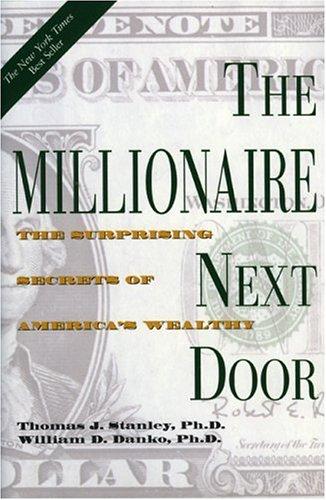
For anyone who confuses high income with wealth, or who feels behind because their lifestyle doesn't look like the we…
Buy on Amazon →
Anyone who earns enough to make discretionary spending choices but suspects their spending is not generating proporti…
Buy on Amazon →
Households in active consumer-debt distress who need a non-negotiable shared script. Not for investors already past B…
Buy on Amazon →About Clark Howard
Read more from Clark Howard and explore the full bibliography on ClearValue Books.
View Clark Howard's page →Get an email if our take on Clark Howard's Living Large for the Long Haul changes.
We re-review our picks. We'll email you if Clark Howard's Living Large for the Long Haul's ranking or review changes — no checking back.

Ready to read Clark Howard's Living Large for the Long Haul?
Buy the edition we recommend on Amazon.
Buy on Amazon →