

A woman's guide to personal finance

Curated by Brian Kim, CPA — every pick gets a plain-English summary and the key takeaways.
Brian Kim, CPA · 2.89M YouTube Subscribers →What this book actually teaches
- 01Longer life expectancy, career interruptions, and lower lifetime earnings make the generic personal-finance primer insufficient for many women.
- 02Building a financial identity independent of a spouse — own credit history, own retirement account — is treated as a foundational step.
- 03Disability and long-term care insurance get more attention than in standard primers, on the demographic logic that women use them more.
- 04Situational chapters on divorce, widowhood, and elder care are the book's most useful contribution.
- 05Specific tax and Social Security numbers are dated; the framework is more durable than the figures.
What's in this book
Virginia B. Morris's book, part of the Lightbulb Press visual-guide series, sets out to give women a structured walkthrough of personal finance — budgeting, credit, insurance, investing, retirement accounts, estate basics — without assuming prior knowledge or a partner who handles the money. The premise is that women face a distinct set of financial circumstances (longer life expectancy, career interruptions for caregiving, historically lower lifetime earnings) that make the standard generic primer insufficient.
The arguments are organized by life-stage and topic rather than by a single thesis. First, the book covers cash-flow basics: budgeting, emergency reserves, debt management, and the credit system, with an emphasis on building a financial identity independent of a spouse. Second, it walks through insurance — health, disability, life, long-term care — and frames disability and long-term care as under-purchased products that disproportionately matter to women given longevity. Third, it lays out the investing and retirement architecture: IRAs, 401(k)s, the spousal IRA, the mechanics of compounding, and an introduction to asset classes. Fourth, it handles the situational chapters that drive much of the book's value — divorce and Social Security, widowhood, caring for aging parents, and the estate-planning documents (will, durable power of attorney, healthcare proxy) that get postponed.
This is aimed at women new to managing their own finances, or returning to it after a divorce or a spouse's death, who want a single navigable reference rather than ten specialized books.
The weaknesses are real. The book is broad rather than deep — by design, given the visual-guide format — so any one chapter is a starting point, not a finishing one. Tax thresholds, contribution limits, and Social Security rules cited in a 2001 edition are now outdated, and a reader will need to look up current numbers before acting. The gendered framing, while grounded in genuine demographic facts, sometimes leans on generalizations that feel dated, and the investing chapters predate the rise of low-cost index funds as the default recommendation. The visual format also limits how much nuance any single topic gets.
Worth reading as a structured first pass for someone who wants to see the whole map of personal finance laid out in one place. Anyone past the basics should move on to specialized titles per topic — and verify any specific number against current rules.
Read next

For anyone whose financial education was "get a good job and save" — the book is most valuable for first-time readers…
Buy on Amazon →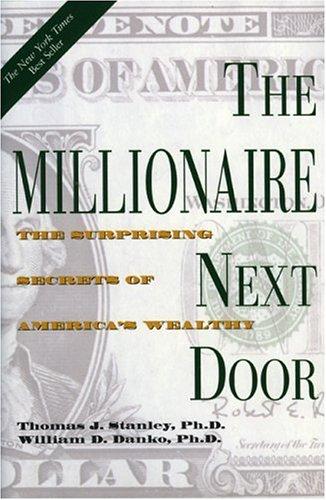
For anyone who confuses high income with wealth, or who feels behind because their lifestyle doesn't look like the we…
Buy on Amazon →
Anyone who earns enough to make discretionary spending choices but suspects their spending is not generating proporti…
Buy on Amazon →
Households in active consumer-debt distress who need a non-negotiable shared script. Not for investors already past B…
Buy on Amazon →About Virginia B Morris
Read more from Virginia B Morris and explore the full bibliography on ClearValue Books.
View Virginia B Morris's page →Get an email if our take on A woman's guide to personal finance changes.
We re-review our picks. We'll email you if A woman's guide to personal finance's ranking or review changes — no checking back.
Across the site
Featured in lists

Ready to read A woman's guide to personal finance?
Buy the edition we recommend on Amazon.
Buy on Amazon →