

Get a financial life

Curated by Brian Kim, CPA — every pick gets a plain-English summary and the key takeaways.
Brian Kim, CPA · 2.89M YouTube Subscribers →What this book actually teaches
- 01Kobliner's core argument is that financial decisions made in your twenties have disproportionate long-term impact — the decade-long compounding advantage of starting at 22 versus 32 is illustrated with specific numbers rather than abstract assertions, making the case more actionable than most treatments.
- 02The book covers student loan management, 401(k) enrollment, IRA contribution, renter's insurance, and estate planning basics — areas where young adults consistently underperform not from lack of income but from lack of a structured framework for decision-making.
- 03The compounding chapters are numerically grounded in a way that distinguishes this book from more generic personal finance guides: the retirement wealth comparison between an early and a delayed investor converts the abstract argument into a concrete cost that readers can calculate for their own situation.
- 04The 1996 publication date is a meaningful limitation: contribution limits, tax brackets, and the student loan landscape (particularly income-driven repayment and forgiveness options) have all changed substantially, and the specific figures and program descriptions need verification against current sources before acting on them.
- 05The book treats young adults as a primary audience rather than an afterthought — the coverage of early-career-specific challenges (entry-level income, benefit gaps, renting, student debt) is more targeted than most personal finance books, which are calibrated for readers who are already accumulating assets.
What's in this book
Get a Financial Life (1996) by Beth Kobliner is a personal finance guide written specifically for people in their twenties — a demographic that most financial books treat as a footnote rather than a primary audience. Kobliner's central argument is that financial decisions made in the first decade of adulthood have a disproportionate long-term impact, and that the common young-adult pattern of deferring serious financial behavior until income or circumstances improve is the single most expensive financial mistake a person can make. The book's value is in treating this argument seriously rather than using it as a marketing hook.
The opening chapters address the specific financial challenges that characterize early adulthood: entry-level income, student loan repayment, renting versus buying, the absence of employer-provided benefits at many early-career jobs, and the competing pressures of building an emergency fund against debt repayment. Kobliner's treatment of the student loan chapters — which were less familiar territory in 1996 than they became in subsequent decades — is straightforward: understand your loan type, know your repayment options, and don't ignore your loans in hopes they will become manageable. The advice is elementary by current standards but was more distinctive at the time of publication.
The investment chapters make the compounding argument in a specific and numerically grounded way. Kobliner's central illustration — comparing the retirement wealth accumulated by someone who starts investing at 22 versus someone who waits until 32 — uses concrete numbers to make a case that most personal finance books make only abstractly. The chapters on 401(k) enrollment, IRA contribution, and the mechanics of mutual fund selection are oriented toward readers who have no prior investment vocabulary, and the explanations are accurate and accessible without being condescending.
The insurance, tax, and estate planning chapters cover the basics that young adults typically ignore — health insurance gaps, renter's insurance, beneficiary designations — and treat them as genuinely important rather than as filler required by genre convention. The renter's insurance chapter in particular addresses a coverage gap that costs young adults disproportionately when unexpected events occur.
The weaknesses are primarily temporal. The 1996 publication date means the specific figures — contribution limits, tax brackets, student loan interest rates — are substantially dated, and the landscape for financial products (online investing, index fund accessibility, high-yield savings accounts) has changed dramatically. More substantively, the student debt environment Kobliner describes bears little resemblance to the one facing graduates in the 2020s; the income-driven repayment options and forgiveness programs that now dominate the loan management conversation are entirely absent. Revised editions have addressed some of this, but readers consulting the original will find the tactical details less reliable than the strategic framing.
For young adults entering the workforce who want a structured introduction to the financial decisions that matter most in their twenties, Get a Financial Life provides a clear and non-condescending framework. The strategic argument for starting early remains as sound as it was in 1996; the specific product details and program figures need to be verified against current sources.
Read next

For anyone whose financial education was "get a good job and save" — the book is most valuable for first-time readers…
Buy on Amazon →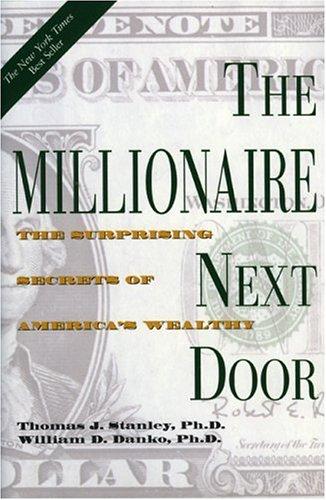
For anyone who confuses high income with wealth, or who feels behind because their lifestyle doesn't look like the we…
Buy on Amazon →
Anyone who earns enough to make discretionary spending choices but suspects their spending is not generating proporti…
Buy on Amazon →
Households in active consumer-debt distress who need a non-negotiable shared script. Not for investors already past B…
Buy on Amazon →About Beth Kobliner
Read more from Beth Kobliner and explore the full bibliography on ClearValue Books.
View Beth Kobliner's page →Get an email if our take on Get a financial life changes.
We re-review our picks. We'll email you if Get a financial life's ranking or review changes — no checking back.
Across the site
Featured in lists
Recommended in answers
On Brian's lists

Ready to read Get a financial life?
Buy the edition we recommend on Amazon.
Buy on Amazon →