
Best Investing Books for Millennials (2026).
Wealth-building for the generation that graduated into a recession and still has time
Millennials entered the workforce during or after the 2008 financial crisis, watched housing prices double, accumulated more student debt than any prior generation, and then watched a pandemic compress a decade of economic disruption into two years. The result is a generation that is more financially anxious than the raw numbers justify. The median millennial is in their early-to-mid 30s in 2026 — which means 30+ years of potential compounding still ahead. The challenge isn't the math; it's the psychological overhang of a decade of financial headwinds making it feel like the rules don't apply anymore. The books on this list address the millennial-specific context directly: student debt as a starting constraint, housing affordability as a genuine structural problem (not a personal failure), gig economy income variability, and why market volatility is actually an ally when you have decades of contributions ahead of you.
Books relevant to 30-something financial realities: student debt, irregular income, housing cost pressure, behavioral recovery from the 2008 scarring, and long enough timelines that compound growth is the primary tool. We excluded books that assume clean balance sheets or stable career paths.
The list, in order
- №1◈ Best for undoing the 2008 psychological overhang
The Psychology of Money
by Morgan Housel · 2020
◈Canon★Brian's PickThe most important book for millennials because it directly addresses the behavioral damage of witnessing 2008 in your formative financial years. Housel's framing of wealth as a function of time and consistent behavior — not income or timing the market — is the specific correction millennials need most.
- №2◈ Best practical starting framework
Get a financial life
by Beth Kobliner · 1996
Kobliner's updated edition speaks directly to the student loan, early career, and renting-vs-buying decisions millennials face. Practical and structured — it covers the steps in order rather than overwhelming you with theory. One of the few books that takes student debt seriously as a first-order variable.
- №3◈ Best for the index fund implementation
The Simple Path to Wealth
by Jl Collins · 2016
◈Canon★Brian's PickCollins's F-You Money concept resonates specifically with millennials who have watched job security erode. The index fund implementation is simple enough to execute while paying down debt, and the philosophical case for financial independence reframes the housing and income constraints as manageable rather than permanent.
- №4◈ Best for staying the course through volatility
Unshakeable
by Tony Robbins
◈CanonRobbins distills the core behavioral lessons from Money: Master the Game into a shorter, faster read. The market history section — showing how every major crash recovered — is directly useful for millennials who watched 2008 and may have a conditioned fear of market downturns. The optionality argument for staying invested lands hard.
- №5◈ Best for understanding market cycles
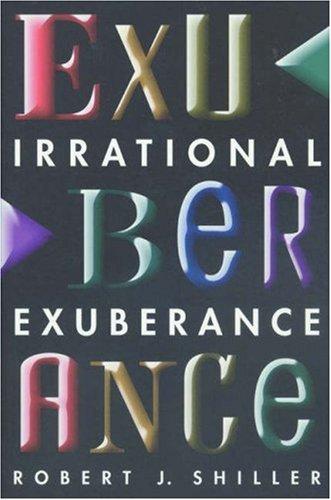
Irrational Exuberance
by Robert J Shiller · 2000
Shiller's analysis of asset bubbles and market cycles is particularly valuable for a generation that has lived through two once-in-a-generation market dislocations. Understanding why markets overshoot — and what the historical evidence says about recovery — provides the long-view perspective that short-form financial media never offers.


Get notified when our book picks change.
Set it once. We'll email you when a pick worth knowing about changes — no checking back.
Questions about this list
Should I pay off student loans or invest first?
Compare your loan interest rate to expected market returns. Federal student loans under 5-6%: invest enough to capture any employer 401(k) match (that's an instant 50-100% return), then split remaining cash between loans and investing. Private loans above 7%: pay those down aggressively before investing beyond the employer match. The psychological benefit of eliminating a debt also has real value — Get a Financial Life covers this decision tree in detail for common millennial loan situations.
Is it worth investing when housing costs take so much of my income?
Yes — even small consistent contributions compound meaningfully over 30+ years. A millennial investing $200/month starting at 30 accumulates more than one who invested $400/month starting at 40, even though the late starter put in more total dollars. The housing cost squeeze is real, but it doesn't eliminate the math of compounding. The Simple Path to Wealth makes this case concretely with historical return data.
Should I invest in crypto or stick to index funds?
The evidence-based answer: crypto belongs in the speculative allocation (5-10% of investable assets maximum) if you understand what you own and can absorb a total loss of that position. The core portfolio should be low-cost broad index funds. Millennials who went heavy on crypto in 2021 and light on index funds paid a significant opportunity cost through 2022-2023. The books on this list — especially The Psychology of Money and Irrational Exuberance — provide the framework for distinguishing speculation from investment.