

10 m inute guide to personal finance for newlyweds

Curated by Brian Kim, CPA — every pick gets a plain-English summary and the key takeaways.
Brian Kim, CPA · 2.89M YouTube Subscribers →What this book actually teaches
- 01The book's core argument — that financial decisions made in the first years of marriage have compounding consequences that make early attention disproportionately valuable — is durable and correct even as the specific details are outdated.
- 02The chapter on combining versus separating finances covers the practical mechanics of joint versus separate accounts without taking a prescriptive position, which is appropriate given that the right structure genuinely varies by household values and financial situation.
- 03The W-4 withholding adjustment after marriage — filing an updated form to avoid underpayment due to the marriage penalty and changed filing status — is a specific actionable task that trips up many newlyweds and that the book addresses clearly.
- 04The series format (ten minutes per chapter) calibrates the content for orientation rather than depth; readers who come away with questions will need a more comprehensive resource almost immediately.
- 05The 1996 publication date means the book does not address student loan debt management, dual-income household optimization, or delayed home purchase — financial realities that now cluster around early marriage and would be central to any equivalent guide written today.
What's in this book
10-Minute Guide to Personal Finance for Newlyweds (1996) by Stuart H. Welch is a short reference guide in the Alpha Books "10-Minute Guide" series, designed to give recently married couples a structured introduction to the financial decisions they face in the first years of marriage. Welch, a certified financial planner, organized the book around the specific financial tasks and decision points that cluster around marriage: combining finances, adjusting withholding, evaluating insurance coverage, setting up a household budget, establishing joint financial goals, and beginning retirement savings. The series format — each chapter short enough to read in ten minutes — is calibrated for readers who want orientation rather than depth.
The book's core argument is that the financial decisions couples make in the first years of marriage — particularly around debt management, insurance, and retirement savings — have compounding consequences that make early attention disproportionately valuable. Welch focuses on the specific financial interactions that couples encounter: how to handle debt brought into the marriage, whether to combine finances fully or maintain separate accounts, how marriage affects tax filing status and withholding calculations, and how to structure insurance coverage when two plans are available.
The chapter on combining versus separating finances addresses the practical dimensions — joint versus separate accounts, how to handle individual spending money within a shared budget — without taking a prescriptive position on what the right answer is, which is appropriate given that the research on financial relationship dynamics was limited and the right answer genuinely varies by household. The tax chapter covers the marriage penalty and the withholding adjustment process — filing a new W-4 after marriage to avoid underpayment — which was and remains a specific task that trips up many newlyweds unfamiliar with how the withholding system works.
The retirement savings chapter makes the case for starting early with specific compound growth illustrations — a common and effective device for motivating action — and covers the basics of 401(k) contribution decisions, IRA eligibility, and the relative merits of contributing to an employer plan versus an IRA when both are available. The investment guidance is introductory and reflects mid-1990s conventional wisdom.
The weaknesses are significant. The series format limits every topic to a sketch rather than a treatment — readers who come away with questions will find they need a more comprehensive resource almost immediately. The 1996 publication date means tax rules, contribution limits, insurance product details, and specific account rules are all outdated. The book also does not address common financial life events that now cluster around early marriage — student loan debt management, dual-income household financial optimization, the financial implications of delayed home purchase — that would be central to an equivalent guide written today.
For newlyweds who want a structured checklist of the financial conversations to have and decisions to make in the first year of marriage, the book's topical coverage remains useful as an orientation map even where the specific details have changed. Best treated as a starting conversation guide rather than an operational manual.
Read next

For anyone whose financial education was "get a good job and save" — the book is most valuable for first-time readers…
Buy on Amazon →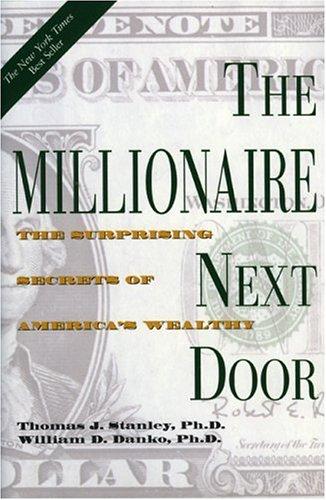
For anyone who confuses high income with wealth, or who feels behind because their lifestyle doesn't look like the we…
Buy on Amazon →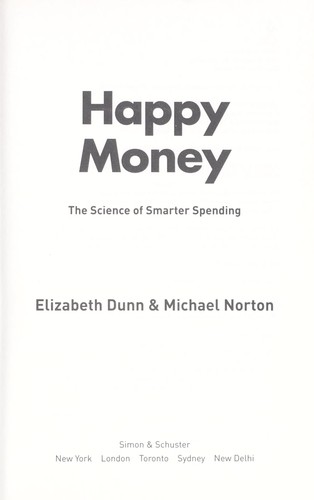
Anyone who earns enough to make discretionary spending choices but suspects their spending is not generating proporti…
Buy on Amazon →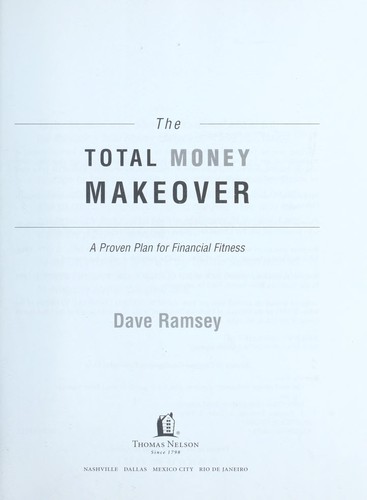
Households in active consumer-debt distress who need a non-negotiable shared script. Not for investors already past B…
Buy on Amazon →About Stuart H Welch
Read more from Stuart H Welch and explore the full bibliography on ClearValue Books.
View Stuart H Welch's page →Get an email if our take on 10 m inute guide to personal finance for newlyweds changes.
We re-review our picks. We'll email you if 10 m inute guide to personal finance for newlyweds's ranking or review changes — no checking back.

Ready to read 10 m inute guide to personal finance for newlyweds?
Buy the edition we recommend on Amazon.
Buy on Amazon →