

Guide to understanding personal finance

Curated by Brian Kim, CPA — every pick gets a plain-English summary and the key takeaways.
Brian Kim, CPA · 2.89M YouTube Subscribers →What this book actually teaches
- 01The book's primary delivery mechanism is charts, timelines, and diagrams rather than prose — this works well for showing relationships and comparisons between financial products but cannot substitute for the judgment and situation-specific reasoning that actual financial decisions require.
- 02Coverage is encyclopedic across budgeting, banking, credit, taxes, insurance, retirement accounts, investment vehicles, and estate planning basics — the breadth is genuine, but depth is consistently sacrificed to maintain the visual reference format.
- 03The retirement account comparison spreads and compound interest timeline visualizations are among the more effective treatments of those concepts in the visual format — areas where the diagram approach genuinely outperforms prose explanations.
- 04The 2006 publication date is a real limitation for a reference guide: contribution limits, tax brackets, Social Security benefit rules, and estate tax thresholds have all changed, and the book does not distinguish which figures are subject to annual adjustment.
- 05Best used as a first stop for orienting to financial vocabulary and basic product mechanics — readers who need decision-making guidance for specific financial choices will need more current and situation-specific resources beyond this guide.
What's in this book
Guide to Understanding Personal Finance (2006) by Virginia B. Morris and Kenneth M. Morris is a visual reference guide published by Lightbulb Press, a financial education publisher known for producing illustrated guides to investment topics. The book's approach is explicitly diagrammatic — the primary delivery mechanism is charts, timelines, and visual representations of financial concepts rather than explanatory prose. The core argument, implicit in the format, is that financial literacy failures are largely a problem of presentation: complex financial concepts become accessible when the relationships between components are shown visually rather than described.
The book covers the full range of personal finance topics that a general reference guide would address: budgeting and cash flow, banking and savings products, credit and debt management, tax basics, insurance (health, life, auto, homeowners), retirement accounts (401(k), IRA, Roth IRA), Social Security, investment vehicles (stocks, bonds, mutual funds), and estate planning basics. Each topic receives a two-page spread with illustrated explanations, sidebars on key terms, and visual comparisons of alternatives. The breadth is genuine — this is closer to a financial encyclopedia in format than to a topic-specific personal finance guide.
The visual approach has real advantages for certain types of content. The retirement account comparison spreads — showing how contribution limits, tax treatment, and withdrawal rules differ across account types — are genuinely clearer in diagram form than they would be in prose. The insurance coverage comparison pages communicate option trade-offs efficiently. The compound interest timeline visualizations are among the more effective treatments of that concept available in print.
The weaknesses are structural. The visual format works well for relationships and comparisons but poorly for nuance and judgment: the book can show you what a Roth IRA is and how it differs from a traditional IRA, but it cannot walk you through the decision of which is right for your specific situation. The 2006 publication date matters here more than for most books: specific contribution limits, tax brackets, and Social Security benefit rules have all changed, and the book does not flag which figures are subject to annual adjustment. The estate planning chapters predated significant changes to federal estate tax thresholds. The breadth-first format means depth is consistently sacrificed — readers who need more than an orientation to any particular topic will need additional resources.
For visual learners who want a structured overview of personal finance concepts, or for anyone who wants a reference guide to the vocabulary and basic mechanics of financial products without a cover-to-cover narrative commitment, this guide provides clear illustrations across a wide range of topics. It works best as a first stop for orientation rather than as a decision-making resource for specific financial choices.
Read next

For anyone whose financial education was "get a good job and save" — the book is most valuable for first-time readers…
Buy on Amazon →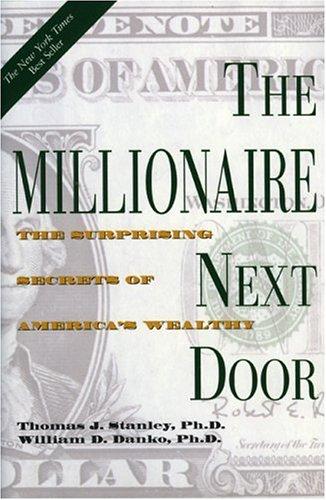
For anyone who confuses high income with wealth, or who feels behind because their lifestyle doesn't look like the we…
Buy on Amazon →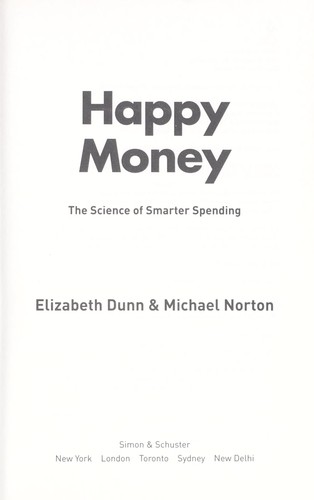
Anyone who earns enough to make discretionary spending choices but suspects their spending is not generating proporti…
Buy on Amazon →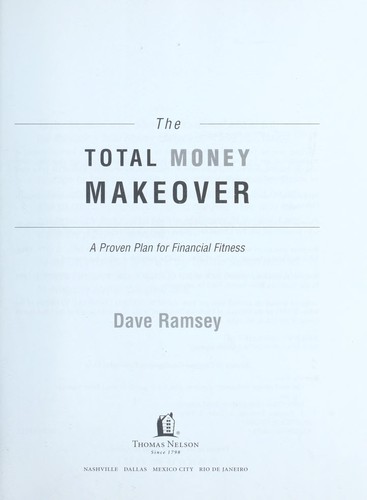
Households in active consumer-debt distress who need a non-negotiable shared script. Not for investors already past B…
Buy on Amazon →About Virginia B Morris
Read more from Virginia B Morris and explore the full bibliography on ClearValue Books.
View Virginia B Morris's page →Get an email if our take on Guide to understanding personal finance changes.
We re-review our picks. We'll email you if Guide to understanding personal finance's ranking or review changes — no checking back.

Ready to read Guide to understanding personal finance?
Buy the edition we recommend on Amazon.
Buy on Amazon →