
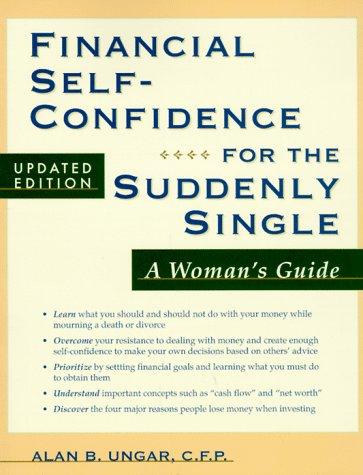
Financial Self-Confidence for the Suddenly Single

Curated by Brian Kim, CPA — every pick gets a plain-English summary and the key takeaways.
Brian Kim, CPA · 2.89M YouTube Subscribers →What this book actually teaches
- 01Beneficiary designations on retirement accounts and life insurance supersede a will — updating them after divorce or the death of a spouse is a non-deferrable administrative task with major asset-transfer consequences.
- 02Establishing credit in your own name is a practical priority for anyone who was not the primary cardholder in the marriage — it cannot wait until the next credit need arises.
- 03Divorced spouses may qualify for Social Security benefits based on an ex-spouse's record under specific eligibility conditions — understanding this before filing affects lifetime income.
- 04The immediate triage period (first several months) involves a distinct set of decisions — account separation, beneficiary updates, insurance review — that differ from ongoing financial planning and require their own checklist.
- 05Working with a financial advisor for the first time independently requires knowing what to expect, how to evaluate the relationship, and what product-recommendation red flags look like.
What's in this book
Financial Self-Confidence for the Suddenly Single by Alan B. Ungar addresses a specific and underserved reader: someone who has been through divorce or widowhood and now faces financial decisions they did not previously handle independently. The book's premise is that the financial disorientation of sudden singlehood is not primarily a knowledge problem — most people can learn the information — but a confidence problem compounded by grief, stress, and the practical reality that the other spouse was managing the finances. The goal is not to turn the reader into a financial expert but to give them enough orientation to participate actively in their own financial decisions and ask the right questions of the professionals they engage.
Ungar, who writes from professional experience working with clients navigating divorce and widowhood, organizes the book around the immediate triage period — the first several months after the transition — before moving to longer-term financial planning. The triage chapters cover the decisions that cannot wait: locating account statements and insurance policies, updating beneficiary designations on retirement accounts and life insurance (a change that supersedes a will and is frequently overlooked after divorce), closing joint accounts and opening individual ones, establishing credit in one's own name if it does not exist, and notifying relevant institutions of the change in status.
Beneficiary designation errors are given particular emphasis. Ungar makes the point that retirement accounts and life insurance pay to the named beneficiary regardless of what a will says — a divorced person who forgets to update beneficiaries on a 401(k) or IRA may inadvertently transfer assets to an ex-spouse on death. This is one of the higher-stakes administrative failures in post-divorce financial management, and the book treats it with appropriate weight.
The longer-term planning section covers building an independent budget from actual take-home income, understanding Social Security claiming implications for divorced spouses (who may qualify for benefits based on an ex-spouse's record under specific conditions), and basic investment principles for someone who was not previously engaged in the investment side of household finances. The tone throughout is reassuring without being patronizing — Ungar consistently acknowledges that the reader is navigating this under stress and structures the advice to match that reality.
The section on working with financial professionals covers how to select and evaluate a financial advisor, what to expect from the initial engagement, and how to identify red flags in both advisor conduct and product recommendations. This is useful for a reader who has not previously managed this relationship independently.
This is for people navigating divorce or widowhood who need practical financial orientation during and after the transition, and for the family members, attorneys, or financial counselors working with them.
The weaknesses are in scope and currency. The book is an orientation guide, not a comprehensive financial planning reference — readers ready to move beyond the triage period will need additional resources on investing, tax planning, and retirement strategy. Publication date information is not widely available for this title; specific figures and program details (Social Security divorced-spouse rules, contribution limits, estate planning thresholds) should be verified against current guidance. The content focuses on the US financial and legal system; readers in other jurisdictions will find limited direct applicability.
For the transition period specifically, the book's triage framing and attention to the decisions that cannot wait — beneficiary updates, account separation, credit establishment — make it more immediately useful than general personal finance books for readers in this situation.
Read next

For anyone whose financial education was "get a good job and save" — the book is most valuable for first-time readers…
Buy on Amazon →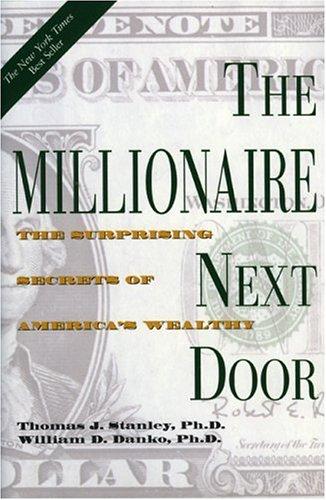
For anyone who confuses high income with wealth, or who feels behind because their lifestyle doesn't look like the we…
Buy on Amazon →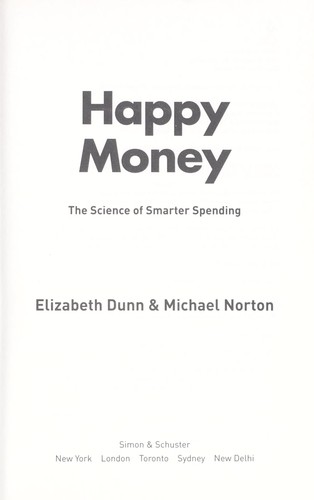
Anyone who earns enough to make discretionary spending choices but suspects their spending is not generating proporti…
Buy on Amazon →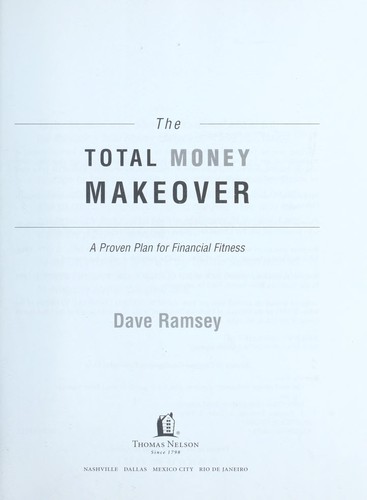
Households in active consumer-debt distress who need a non-negotiable shared script. Not for investors already past B…
Buy on Amazon →About Alan B Ungar
Read more from Alan B Ungar and explore the full bibliography on ClearValue Books.
View Alan B Ungar's page →Get an email if our take on Financial Self-Confidence for the Suddenly Single changes.
We re-review our picks. We'll email you if Financial Self-Confidence for the Suddenly Single's ranking or review changes — no checking back.
Across the site
Featured in lists

Ready to read Financial Self-Confidence for the Suddenly Single?
Buy the edition we recommend on Amazon.
Buy on Amazon →