
Best Personal Finance Books for Singles (2026).
Build wealth on one income — with no financial safety net and no one else to blame.
Managing money solo is a fundamentally different challenge than managing it as part of a couple. There's no second income to fall back on, no partner to split rent with, and no one to catch you when an unexpected expense wipes out your buffer. The upside: every financial decision is yours alone. You don't negotiate. You don't compromise. You build exactly the plan you want. The books on this list are selected specifically for single-income households — people who need a higher emergency fund, a tighter budget, and a long-term investing strategy that doesn't assume a dual-income safety net. Whether you're single by choice or circumstance, these reads cover the mechanics of building real wealth without a co-pilot: from understanding your spending psychology to optimizing a solo index fund portfolio to making intentional decisions about how your money reflects the life you actually want.
Books were selected for relevance to single-income financial planning. Priority went to titles that address emergency fund sizing, solo investing, and the psychological dimensions of managing money without a financial partner. General wealth books were included only when their framework is as useful for one person as for two.
The list, in order
- №1◈ Solo Financial Planning
Driving solo
by Susan Covell Alpert
Written specifically for people managing finances on their own. Covers solo budgeting, emergency fund sizing for single-income households, insurance gaps, and retirement planning without a spousal fallback.
- №2◈ Rebuilding Financial Confidence
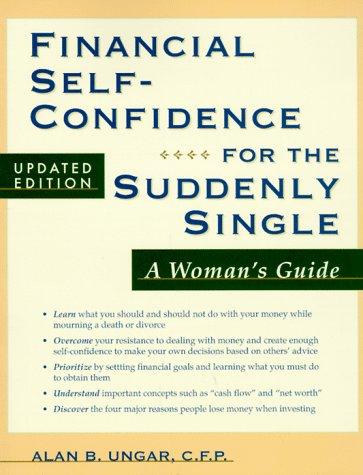
Financial Self-Confidence for the Suddenly Single
by Alan B Ungar · 1997
Addresses the confidence and competence gap that emerges when someone who shared financial decisions suddenly has to manage everything alone. Practical and empathetic — useful whether you're newly single or have been flying solo for years.
- №3◈ Behavioral Finance
The Psychology of Money
by Morgan Housel · 2020
◈Canon★Brian's PickMorgan Housel's exploration of why smart people make irrational financial decisions is essential reading for anyone managing money independently. Without a partner to reality-check your choices, understanding your own behavioral biases is more important than ever.
- №4◈ Financial Independence Mindset
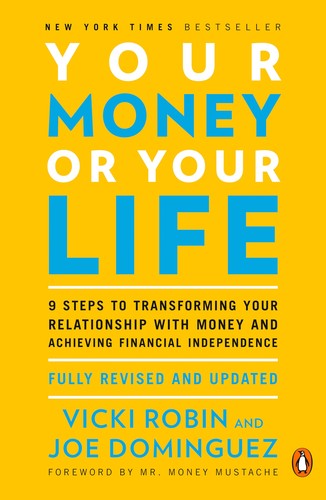
Your Money or Your Life: 9 Steps to Transforming Your Relationship with Money and Achieving Financial Independence
by Vicki Robin · 1992
◈CanonReframes money as a proxy for life energy — time you traded for it. For singles who have full control over their financial trajectory, this framework is clarifying: every spending decision is a vote for how you want to live.
- №5◈ Simple Investing System
The Simple Path to Wealth
by Jl Collins · 2016
◈Canon★Brian's PickJL Collins makes a compelling case for low-cost index fund investing that works especially well for single investors who want a simple, automated system. No spousal coordination required — just consistent contributions to a total market fund.



Get notified when our book picks change.
Set it once. We'll email you when a pick worth knowing about changes — no checking back.
Questions about this list
How large should an emergency fund be for a single-income household?
The standard advice of three to six months of expenses assumes a dual-income household with a fallback. For singles, six to nine months is a more appropriate target. If your job is in a volatile industry or you're self-employed, consider twelve months. The higher bar exists because there's no partner's income to bridge the gap if you lose your job or face a major expense.
How can single people build wealth faster without a second income?
Focus on what you can control: housing costs (your single biggest lever), automated investing contributions, and income growth. Singles often have more flexibility on housing — downsizing or moving to a lower cost-of-living area creates the same budget improvement a second income would. Maximize tax-advantaged accounts (401k, IRA, HSA) before investing in taxable accounts.
Is it harder to buy a home as a single person?
It's harder to qualify for the same price point as a dual-income couple, but not impossible. Lenders qualify you on your income alone, so your debt-to-income ratio is the key number to manage. Prioritizing income growth, keeping debts low, and saving a larger down payment are the primary levers. Many singles find that buying a smaller property first — and renting out a room or unit — improves cash flow and builds equity faster.