

Driving solo

Curated by Brian Kim, CPA — every pick gets a plain-English summary and the key takeaways.
Brian Kim, CPA · 2.89M YouTube Subscribers →What this book actually teaches
- 01Widowhood creates a financially dangerous window: irreversible financial decisions cluster in the acute grief period when cognitive function is most impaired — Alpert's core advice is to identify what must be decided immediately versus what can wait.
- 02The death certificate sequence, financial institution notifications, life insurance claims, and Social Security survivor benefit elections have a practical order of operations that the book documents more clearly than most estate attorneys explain to clients.
- 03Newly widowed people are disproportionately targeted by financial predators — the book includes explicit criteria for identifying advisors who may not have the client's interests as a priority.
- 04Social Security survivor benefit rules described in the 2009 edition have been modified — the file-and-suspend strategy was eliminated in 2016, and current benefit calculations should be verified at ssa.gov.
- 05The surviving spouse who was not the household's primary financial manager faces both an informational and emotional gap simultaneously — Alpert's framework for building an advisor team before making consequential decisions is the book's most broadly applicable guidance.
What's in this book
Driving Solo: Dealing with Grief and the Business of Financial Survival (2009) by Susan Covell Alpert addresses the financial dimension of widowhood — specifically, the period immediately after a spouse's death when the surviving partner must simultaneously manage grief and make consequential financial decisions that will shape the rest of their life. Alpert wrote the book from personal experience: she was widowed and found the available resources either focused entirely on grief (without financial guidance) or on financial planning (without acknowledging the emotional state in which these decisions are being made). The book attempts to bridge that gap.
The book's central argument is that widowhood creates a uniquely dangerous financial moment: a person who may not have been the primary financial manager of the household must make irreversible decisions about insurance claims, estate settlement, account consolidation, benefit elections, and investment management during the acute grief period, when cognitive function and emotional regulation are genuinely impaired. Alpert's recommendation is to slow down wherever possible — to identify which decisions must be made immediately and which can wait — and to build a support team (attorney, financial advisor, CPA, trusted family member) before acting.
The immediate-aftermath chapters are the book's most practically useful. Alpert covers the death certificate process (how many copies are needed and why), the sequence for notifying financial institutions, the process for claiming life insurance, Social Security survivor benefits (including the widow's limit and how it interacts with the surviving spouse's own benefit), pension survivor options, and the estate settlement process. Each section is written with awareness that the reader may be doing this for the first time under significant emotional stress, and the tone is steady and procedural without being cold.
The financial management chapters address the longer-term transition: what to do when accounts that were in the deceased spouse's name must be consolidated or retitled, how to evaluate financial advisors (and how to identify advisors who may not have the widowed client's interests as a priority), and how to build a financial picture from scratch if the surviving spouse was not involved in the household finances. Alpert is direct about the vulnerability of newly widowed people to financial predation — the book includes a frank discussion of the advisors and salespeople who specifically target the recently bereaved.
Weaknesses
the 2009 publication date means some specific account types, tax rules, and benefit structures have been updated. Social Security benefit rules for surviving spouses have been modified (notably the file-and-suspend strategy was eliminated in 2016). The financial advisor landscape has also changed — fiduciary standards and fee-disclosure rules are different than they were in 2009. The book's emotional framing is occasionally more memoir-like than practical guide, which suits some readers and frustrates others. And the book addresses heterosexual marriage almost exclusively, which limits its applicability to other household structures.
Verdict
one of the few books that addresses both the emotional and financial dimensions of widowhood simultaneously. The immediate-aftermath procedural guidance is the most durable and practically valuable section; surviving spouses should verify benefit-specific guidance against current Social Security Administration and IRS publications.
Read next

For anyone whose financial education was "get a good job and save" — the book is most valuable for first-time readers…
Buy on Amazon →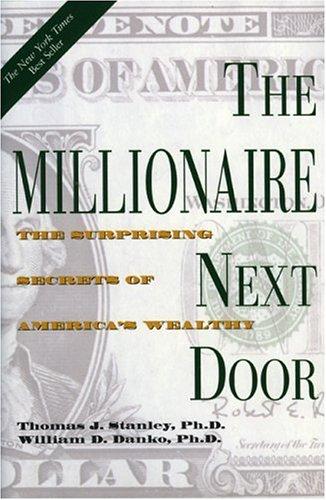
For anyone who confuses high income with wealth, or who feels behind because their lifestyle doesn't look like the we…
Buy on Amazon →
Anyone who earns enough to make discretionary spending choices but suspects their spending is not generating proporti…
Buy on Amazon →
Households in active consumer-debt distress who need a non-negotiable shared script. Not for investors already past B…
Buy on Amazon →About Susan Covell Alpert
Read more from Susan Covell Alpert and explore the full bibliography on ClearValue Books.
View Susan Covell Alpert's page →Get an email if our take on Driving solo changes.
We re-review our picks. We'll email you if Driving solo's ranking or review changes — no checking back.
