
The Best Investing Books for Intermediate Readers (2026).
You know the basics — now build the edge
You've read the beginner books. You understand compound interest, you know what a brokerage account is, and you've stopped panic-selling. The problem: most intermediate readers plateau here and never build an actual framework for evaluating what to buy and when. The books on this list address that gap. They assume you've cleared the mindset hurdles — what they give you instead is analytical structure: how to read a balance sheet, how to think about business quality, how to calibrate risk and return. These are the books that turn a competent passive investor into someone who can evaluate an active position and know what they don't know.
Books that assume basic financial literacy but don't require a finance degree. We prioritized books that build transferable frameworks over tactics that go stale. Anything that still required a glossary to read excluded itself.
The list, in order
- №1◈ Best first step past beginner books
One Up On Wall Street
by Peter Lynch
◈CanonPeter Lynch's case for the individual investor's edge is the right bridge from beginner to intermediate. The book teaches you to spot great businesses before Wall Street does by observing what's around you — a skill no finance course teaches. Lynch's prose is accessible but the framework underneath is rigorous. Read it before you start picking any individual stocks.
- №2◈ Best for qualitative business analysis
Common Stocks and Uncommon Profits and Other Writings
by Philip A Fisher · 1996
Philip Fisher's scuttlebutt method for evaluating management quality and business moats is still the most practical qualitative framework in print. The 15 points Fisher uses to screen a business force you to think like an owner, not a trader. This belongs alongside Graham — Fisher covers what financials can't show you.
- №3◈ Best for understanding the Buffett framework
The Warren Buffett philosophy of investment
by Elena Chirkova
Elena Chirkova's academic synthesis of Buffett's actual investment philosophy cuts through the biography noise and organizes the thinking systematically. Unlike most Buffett books, this one focuses on WHY each principle works rather than just cataloging decisions. Strong pick for readers who've already consumed the beginner Buffett mythology and want to understand the underlying logic.
- №4◈ Best for market valuation perspective
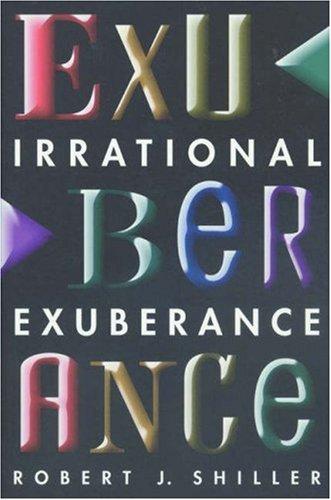
Irrational Exuberance
by Robert J Shiller · 2000
Shiller's data-heavy examination of market valuation cycles is uncomfortable reading — which is what makes it valuable. Intermediate investors often over-index on individual stock selection and under-weight macro valuation context. This book calibrates expectations about what markets can and can't do over long periods, and builds healthy skepticism about consensus enthusiasm.
- №5◈ Best for the passive-vs-active decision
The Simple Path to Wealth
by Jl Collins · 2016
◈Canon★Brian's PickJL Collins wrote this as letters to his daughter — which makes the index-fund case feel personal rather than academic. For intermediate readers who are evaluating whether active management is worth the effort, this is the most honest counterargument in print. Even if you decide to go active, you should understand the default case you're betting against.



Get notified when our book picks change.
Set it once. We'll email you when a pick worth knowing about changes — no checking back.
Questions about this list
What's the difference between beginner and intermediate investing books?
Beginner books focus on mindset, habits, and the mechanics of opening accounts and avoiding panic. Intermediate books assume those foundations are in place and instead build analytical frameworks: how to evaluate a business, how to think about valuation, how to allocate a portfolio with intention. The books on this list won't spend time convincing you that investing is important — they assume you already know that.
Should I be picking individual stocks at the intermediate level?
Not necessarily — but you should be able to evaluate one. The goal at the intermediate level is to understand the full landscape well enough to make an informed choice between active and passive strategies. Reading One Up on Wall Street and Common Stocks and Uncommon Profits doesn't commit you to stock picking — it gives you the vocabulary to decide whether that's worth your time.
Is Irrational Exuberance still relevant given it was written pre-2008?
More relevant than ever. Shiller's CAPE ratio and his analysis of narrative-driven market cycles predicted both the dot-com bubble and the 2008 housing collapse. The frameworks hold across cycles. The specific examples are dated, but the analytical lens — asking what current valuations imply about future returns — applies every year regardless of which assets are in bubble territory.