
Best Books About the History of Money and Currency.
Why a dollar is worth a dollar — and why that changes
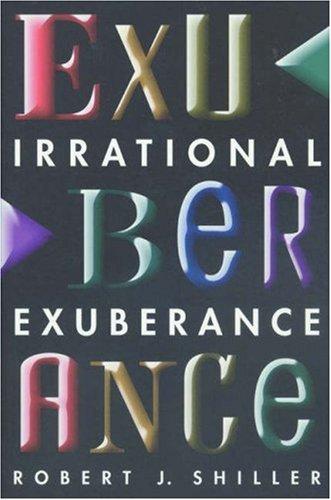
Most personal finance books take money for granted. You earn it, you save it, you invest it, the end. Money-history books do the opposite: they ask what money actually is, why we trust it, and what happens when that trust breaks. Read enough of them and modern debates about inflation, gold, central banks, and crypto stop sounding like cable-news arguments and start sounding like the same five-hundred-year-old conversation. The catalog isn't deep on pure monetary history, so the picks below lean toward books that wrestle with the question from the investor's angle. Nathaniel Popper's Digital Gold is the clearest one. It's framed as the story of Bitcoin's early years, but the real subject is what people want money to do — store value, move freely, sit outside any government's reach — and why those wants keep producing new currencies. You don't have to like Bitcoin to learn from it. Treat it as monetary history with the receipts still warm. The Intelligent Investor isn't a money-history book, but Graham's repeated returns to the 1920s, 1929, and the postwar inflation years are some of the best applied monetary history written for a general reader. He shows what the dollar actually bought across decades and what that did to bond investors who assumed it would behave. Skim the historical chapters even if you skip the rest. They reset your sense of how violently the unit of account can shift. Irrational Exuberance is technically about asset bubbles, but Shiller spends real time on how money illusion — the habit of thinking in nominal dollars instead of real ones — drives investor behavior across centuries. It's the bridge book between monetary history and behavioral finance. What's missing from the catalog: a true narrative history of money (Ferguson's The Ascent of Money would be the obvious add) and anything serious on the gold standard, Bretton Woods, or the petrodollar. If you want the long arc, you'll need outside reading. What you can do with what's here: develop a working investor's instinct for when the currency itself is the risk, not the asset priced in it.
Featured on this hub



Questions about this hub
Do I need to understand monetary history to invest well?
Not for index-fund investing. But the moment you hold bonds, cash, gold, or crypto, you're taking a position on what money will be worth later. Knowing how currencies have failed, debased, or held value across history is the difference between an informed bet and a vibes-based one.
Is Digital Gold a crypto book or a money book?
Both, but the money-book frame is the more useful read. Popper is most interesting when he's tracing why people wanted a non-state currency in the first place — that question predates Bitcoin by centuries and outlives whatever Bitcoin ends up being worth.