What is the best book on business strategy?
In one paragraph
Common Stocks and Uncommon Profits by Philip Fisher is the canonical text on understanding what makes a business durably competitive — a prerequisite for any strategic thinking. For broader strategy frameworks applicable to any business type, Warren Buffett's Management Secrets delivers the operational principles that underpin enduring competitive advantage.
What this actually means
Business strategy books divide into two camps: those that teach frameworks and those that teach judgment. Frameworks are easier to learn; judgment compounds over a career. The books that actually change how leaders operate tend to build judgment by studying what excellent businesses actually do, not what consultants prescribe.
Common Stocks and Uncommon Profits, written by Philip Fisher in 1958, remains one of the most rigorous examinations of what makes a business worth owning — or building. Fisher's "scuttlebutt" method of understanding competitive position through supplier, customer, and employee conversations translates directly to strategic due diligence. His 15-point checklist for evaluating a business asks questions that most strategy frameworks overlook: Does the company have a sufficiently large market? Is management willing to develop new products that may cannibalize existing ones? Does the business have a sustainable cost advantage? These questions apply whether evaluating an acquisition target, a competitor, or one's own business.
Warren Buffett's Management Secrets distills the operating philosophy that allowed Berkshire Hathaway to compound capital at 20%+ annually for decades. The strategic insights — decentralization of operations, a preference for businesses with durable pricing power, and the discipline to avoid businesses that require constant capital reinvestment — are as useful for an entrepreneur building a $5 million business as they are for a conglomerate.
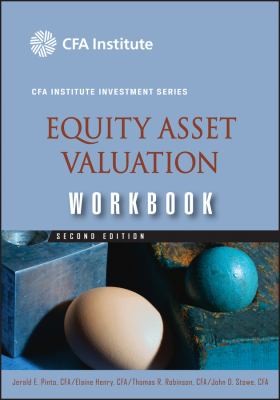
The Valuation Handbook and Equity Asset Valuation Workbook push strategy into quantitative territory: understanding what a strategy is worth in financial terms, and how competitive advantages manifest in cash flow and valuation multiples. Leaders who can read a P&L strategically — connecting operational decisions to enterprise value — operate with a level of precision that pure strategists lack.
For early-stage founders, the sequence matters: judgment from Fisher → operating philosophy from Buffett → quantitative validation from valuation texts.