How much money do I need to start investing?
In one paragraph
With most modern brokers you can start with $1 — fractional shares have eliminated the minimum-balance barrier, and the more important threshold is having an emergency fund and no high-interest debt before investing a dollar.
What this actually means
The practical minimum for investing has effectively reached zero. Fidelity, Schwab, and most major brokers have eliminated account minimums for brokerage and Roth IRA accounts. Fractional shares let investors buy partial positions in index funds or individual stocks for as little as $1. The mechanics of starting are no longer a barrier.
The more meaningful question is sequencing. JL Collins, in The Simple Path to Wealth, frames the decision in terms of F-You Money — the financial runway that gives you choices. But before building that runway, he argues for eliminating consumer debt (especially credit card debt carrying 15–25% interest) because no investment reliably returns more than high-interest debt costs. That math is unambiguous: paying off a 20% credit card is a guaranteed 20% return, which beats the market's historical 7–10% average.
The second prerequisite is an emergency fund — typically three to six months of expenses in a high-yield savings account. Without it, the next car repair or medical bill forces liquidation of investments at the worst possible moment, often during a market downturn.
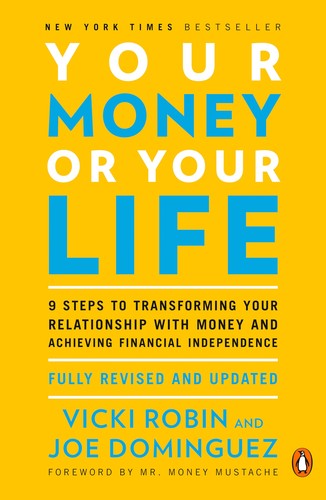
Once those two conditions are met, the amount invested matters far less than the habit of investing consistently. Your Money or Your Life by Vicki Robin makes this point through the concept of the crossover point — the moment passive investment income covers expenses. Getting to that crossover faster is a function of savings rate more than investment returns for most of the journey.
The Psychology of Money reinforces the compounding logic: starting with $50 per month at 22 produces a better outcome than starting with $500 per month at 35. Time is the critical input, not the starting amount. Any amount invested today beats a larger amount invested later.