Is it too late to start investing at 50?
In one paragraph
It is not too late to start investing at 50 — investors starting at 50 typically have 15–25 years before they need significant withdrawals, which is enough time for compound growth to meaningfully improve retirement outcomes.
What this actually means
The most common mistake 50-year-olds make about investing is not starting. The internal logic goes: "I should have started at 25, so starting at 50 barely matters." That logic is mathematically wrong.
A 50-year-old who begins investing has, statistically, 30+ more years of life ahead. Even conservative planning for retirement income needs to cover spending until age 85 or 90. The investment horizon is not zero at 50 — it is the span between now and when the money is actually consumed, which could easily be 35 years.
The compounding math still works. $50,000 invested at 50 at a 6% average real return becomes approximately $287,000 by age 80. That is meaningful money. $1,000 per month invested from 50 to 67 becomes approximately $300,000 at a 6% return — before any employer match or tax advantages.
For investors starting at 50, three structural advantages exist that younger investors lack. First, the catch-up contribution: IRA holders over 50 can contribute $8,000 per year instead of the standard $7,000. 401(k) holders over 50 can contribute an additional $7,500 above the standard $23,000 limit. Second, peak earnings: most investors at 50 are at or near their career income peak, meaning the capacity to save is typically higher than at any earlier point. Third, reduced financial obligations: mortgages may be mostly paid off, children may be finishing college, and lifestyle inflation has often plateaued.
The portfolio approach does shift. An investor with 40 years to retirement can absorb significant equity volatility. An investor starting at 50 should consider a more moderate allocation — perhaps 60–70% equities — to limit the risk of a severe drawdown close to withdrawal needs.
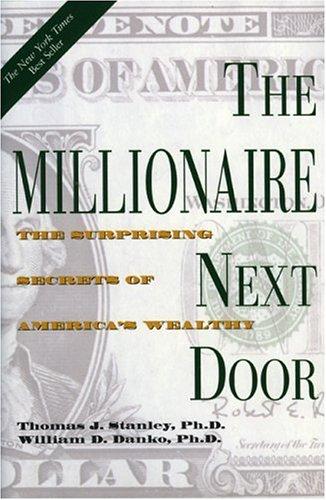
The White Coat Investor by James Dahle, though written for high-income professionals who start saving late in medical or legal careers, contains the most rigorous framework for catch-up investing in late career. The Millionaire Next Door by Thomas Stanley documents that many high-net-worth individuals built substantial wealth starting in their 40s and 50s through discipline and consistency rather than early starts.