What is the best investing book for someone with no experience?
In one paragraph
The Psychology of Money by Morgan Housel — it requires zero prior knowledge, reads in a weekend, and teaches the mindset fundamentals that determine long-term success before touching a single investment.
What this actually means
A complete beginner has one primary need: understanding why most people fail at investing before learning how to invest. The failure mode is almost never ignorance of P/E ratios or asset allocation theory — it's panic-selling in a downturn, over-trading during excitement, or never starting because it feels too complicated.
Morgan Housel's The Psychology of Money addresses exactly that. The book's 20 essays are short, jargon-free, and densely practical. Chapters on "reasonable vs. rational," the role of luck and risk, and the difference between getting wealthy and staying wealthy give a new investor the mental scaffolding to make good decisions under pressure.
After Housel, JL Collins's The Simple Path to Wealth is the most direct next step. Collins strips investing down to its core: spend less than you earn, invest the difference in low-cost index funds, don't panic when markets drop, repeat for decades. The book started as a series of letters Collins wrote to his daughter — the voice is personal and the logic is simple enough to implement in an afternoon.
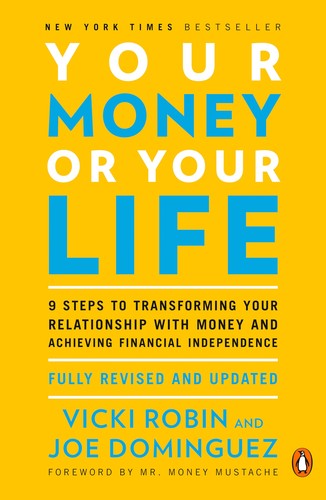
Your Money or Your Life by Vicki Robin is worth adding for anyone who wants to understand why they're investing in the first place. The book builds the case that money is life energy — the hours you traded for it — and that framing makes both saving and investing feel meaningfully different than pure numbers optimization.
What these three books share: they don't require financial background, they don't oversell get-rich schemes, and they give a beginner enough to take action immediately rather than feeling like more research is needed before starting.