What is the best personal finance book for someone in their forties?
In one paragraph
For someone in their forties, The Simple Path to Wealth paired with Unshakeable provides both the investment clarity and the emotional steadiness needed to close the gap between where they are and where retirement requires them to be.
What this actually means
The forties represent a financial inflection point. Peak earning years are either arriving or already here, but so is the math: with retirement potentially 20–25 years away, the compounding runway has shortened enough that strategy and consistency matter more than ever.
Many people reach their forties with scattered accounts, inconsistent savings habits, and lingering debt — often while carrying the largest household expenses of their lives. The question is not whether to start (it's never too late) but how to accelerate.
The Simple Path to Wealth by JL Collins remains essential even for late starters. Its core prescription — maximize contributions to tax-advantaged accounts, own low-cost index funds, avoid lifestyle inflation — is as valid at 45 as at 25. The book also addresses the psychological relief that comes from simplifying an investment approach, which matters for people who have spent years avoiding financial statements because they feel too complicated.
Unshakeable by Tony Robbins is particularly useful in the forties because it directly addresses the fear of volatility that grips investors who have fewer years to recover from a market downturn. Robbins draws on conversations with leading investors to explain why bear markets are temporary, why fees compound against returns just as returns compound for wealth, and why staying in low-cost index funds outperforms most alternatives over time.
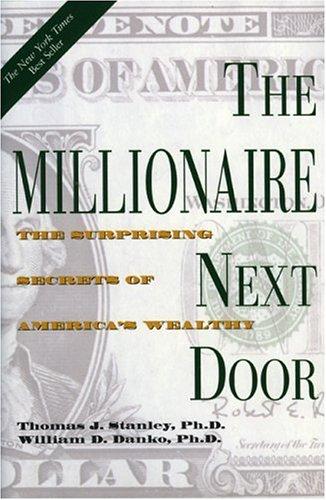
The Millionaire Next Door is worth reading in the forties as a behavioral check. The wealth-building habits it documents — spending below one's means, avoiding status purchases, living in modest homes — become more financially consequential when income is at its peak. Lifestyle inflation in the forties is one of the primary reasons high earners arrive at retirement underprepared.
For someone who also carries debt into their forties, addressing it systematically before retirement is non-negotiable. The avalanche or snowball method works at any age; the cost of carrying debt through the fifties into retirement is simply too high to defer.