What is the best personal finance book for someone in their thirties?
In one paragraph
The Psychology of Money by Morgan Housel is the most useful read for someone in their thirties — it addresses the behavioral patterns that derail people who already know the basics but still aren't building wealth.
What this actually means
The thirties bring a different set of financial pressures than the twenties: income is higher but so are expenses (mortgage, children, aging parents, career transitions). Most people in this decade already know they should be saving more. The gap is behavioral, not informational — and that's what makes The Psychology of Money the right book for this stage.
Morgan Housel's central argument is that financial success has less to do with intelligence or spreadsheet skills than with how people behave under uncertainty over long periods. The book dissects why smart people make expensive financial mistakes, why comparison to peers is financially toxic, and why the most powerful financial tool is simply staying invested through volatility. For someone in their thirties watching their portfolio fluctuate, those lessons are immediately applicable.
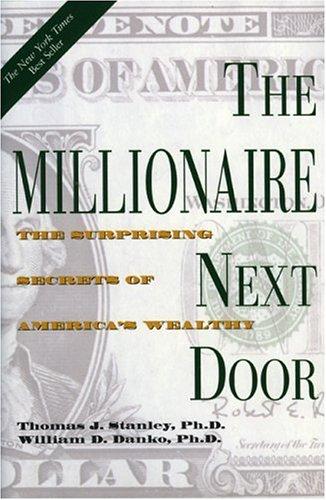
The Millionaire Next Door is the right follow-up. It documents what actual wealthy Americans look like — typically frugal, low-profile, and driving used cars — versus the consumption-heavy image that dominates social media. For people in their thirties feeling pressure to upgrade their lifestyle as income grows, this book is a useful corrective.
Unshakeable by Tony Robbins provides a practical framework for the investing phase. The thirties are when 401(k) balances start to feel meaningful and when questions about asset allocation, tax efficiency, and fee structures become worth understanding. Robbins covers this ground in accessible terms.
For couples in their thirties managing competing financial priorities — one partner's student debt against the other's desire to invest, or competing career moves — the conversation frameworks in books focused on couples and money are worth adding to the reading list.
The thirties are when habits calcify. The compounding power available in the twenties is still partially intact, but the window for course correction is narrowing. The right books make that urgency actionable rather than paralyzing.