What is the best personal finance book for someone in their twenties?
In one paragraph
The Simple Path to Wealth by JL Collins is the highest-leverage read for someone in their twenties — it teaches index fund investing in plain language at exactly the age when compound growth has the most time to work.
What this actually means
The twenties are the most valuable decade in personal finance, not because income is high but because time is. A dollar invested at 22 has roughly twice the compounding runway of a dollar invested at 42. The right book for this decade should make that math visceral and translate it into immediate action.
The Simple Path to Wealth by JL Collins does this better than almost any other book. Originally written as letters to his daughter, it explains why low-cost index funds beat active management, why debt is an emergency not a lifestyle feature, and how financial independence is achievable for ordinary earners who start early. The tone is direct without being condescending.
The Psychology of Money by Morgan Housel is the ideal companion read. Where Collins explains what to do, Housel explains why people don't do it — the behavioral traps, the role of luck, and why getting wealthy is less about intelligence than about consistency and emotional control. Both books together cover the mechanics and the mindset.
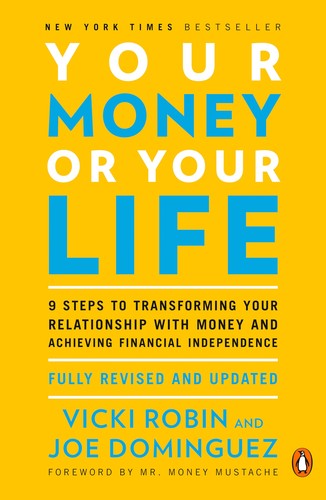
Your Money or Your Life by Vicki Robin is worth reading in the twenties specifically because it reframes the relationship between money and time. The concept of calculating a "real hourly wage" — accounting for commute, decompression time, and work-related expenses — changes how people evaluate purchases and career decisions at an age when those decisions still have maximum flexibility.
For someone carrying student debt, Dave Ramsey's framework offers a structured payoff path before the investing phase begins. But the core insight of Collins — that the stock market is not gambling and that a simple three-fund or single-index-fund portfolio outperforms most professional money managers over time — is the foundational idea worth internalizing first.
Starting in the twenties also means making mistakes with small amounts of money, which is the best possible time to learn.