How do I screen tenants for a rental property?
In one paragraph
A thorough tenant screening process includes a written application, credit report, criminal background check, eviction history, income verification (typically 3x monthly rent), and reference calls with prior landlords — applied consistently to every applicant to stay compliant with Fair Housing law.
What this actually means
Tenant screening is the most consequential operational decision a landlord makes, and it is also one of the most legally constrained. Federal Fair Housing Act protections prohibit discrimination based on race, color, national origin, religion, sex, familial status, and disability. Many states and localities extend these protections to additional categories including source of income, credit history, and criminal background. Landlords who apply inconsistent screening criteria — even informally — face material legal exposure.
The mechanics of a sound screening process begin before the application. Written, publicly stated screening criteria — minimum credit score, income requirement, pet policy, lease term requirements — protect the landlord by making the decision framework objective and verifiable. Every applicant who meets the advertised qualifications should receive the same process.
Credit screening is the most predictive single indicator of payment reliability. Most institutional landlords require a minimum score of 600-650; individual landlords in competitive markets often require 680 or above. More important than the score itself is the composition: prior evictions and unpaid rental debt are the highest-risk signals, followed by patterns of collections and charge-offs on revolving debt.
Income verification typically requires the last two pay stubs, most recent tax return for self-employed applicants, or bank statements demonstrating consistent income. The 3x monthly rent rule of thumb is standard but is a floor, not a ceiling — applicants with high debt loads relative to income may qualify numerically while still being payment risks.
Reference calls with prior landlords are underutilized. Most prior landlords will answer specific factual questions honestly when asked directly: Did this tenant pay on time? Did they leave the property in good condition? Would you rent to them again? The answers to these three questions are often more predictive than any document in the application file.
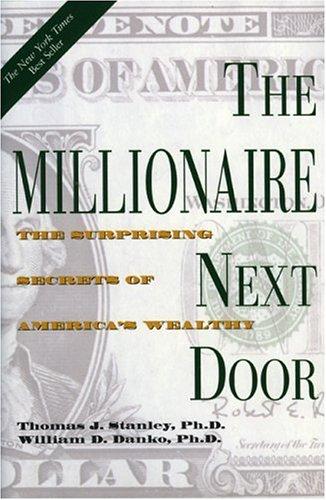
"Set for Life" by Scott Trench covers tenant management as part of a broader rental property operation framework, including how to structure screening to minimize vacancy risk while remaining legally compliant. "The Millionaire Next Door" provides useful context on the population of stable, long-term tenants — they are often not the highest earners but rather the most financially conservative, and screening criteria that over-weight income can systematically exclude the most reliable tenants.