What's the best retirement book for late starters?
In one paragraph
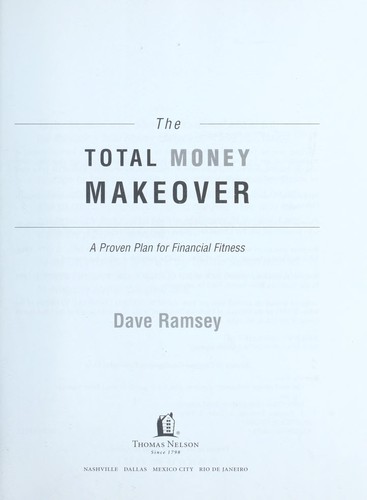
The Total Money Makeover by Dave Ramsey for the catch-up framework — Baby Steps 4 (15% to retirement) and 7 (build wealth) — paired with The Simple Path to Wealth for what to actually buy. Late starters need both prescriptive savings rates and a no-brainer investment vehicle.
What this actually means
Late starters — anyone seriously thinking about retirement for the first time in their 40s or 50s — face a different math problem than 25-year-olds. Compounding has less runway, so the savings rate has to be higher. Most retirement books written for 'beginners' assume you have 30+ years; that's not the late-starter situation.
Ramsey's Total Money Makeover is the right structural book because it's prescriptive about percentages. After the emergency fund and debt elimination (Baby Steps 1-3), Step 4 is 15% of gross income to retirement — and for someone starting at 50, that 15% needs to be 25-30%. Ramsey's framework adapts cleanly.
Pair it with Simple Path to Wealth for the investing side. Collins's chapters on the withdrawal phase are particularly useful for late starters because the time between accumulation and drawdown is short — the asset allocation needs to shift faster than it would for a 25-year-old.
The Elements of Investing by Ellis and Malkiel adds the academic framing of glide-path investing and is short enough (under 200 pages) to read in a weekend.
What to avoid: books promising late-stage real estate empires, options trading, or 'catch up by trading the markets.' Late starters can't afford the losses. The boring path — maximum tax-advantaged contributions, total stock market index, modest bond allocation — is the only one with reliable math.