What is the best book on the 4 percent rule?
In one paragraph
The Simple Path to Wealth by JL Collins is the most readable book that explains, defends, and practically applies the 4% withdrawal rule — it covers how the rule was derived from the Trinity Study and how to build a portfolio designed to support it.
What this actually means
The 4% rule — the idea that retirees can withdraw 4% of their portfolio in year one, adjust for inflation annually, and expect the portfolio to last 30 years — comes from research by William Bengen (1994) and the Trinity Study (1998). No single book is exclusively about the rule, but several address it in depth.
The Simple Path to Wealth by JL Collins is the starting point most readers encounter the 4% rule through. Collins explains the historical research behind the rule, why a total stock market index fund is his preferred vehicle for building toward it, and how readers should think about the transition from accumulation to withdrawal. His treatment is clear, opinionated, and actionable.
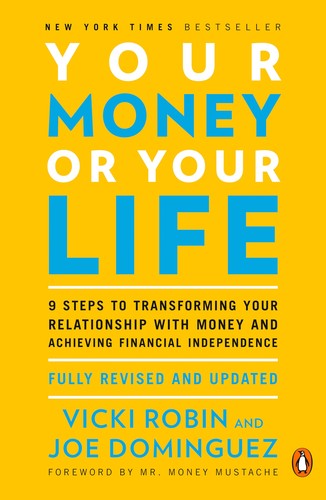
Your Money or Your Life by Vicki Robin approaches the same territory from a different angle — it introduces the concept of "FI" (financial independence), which is the point at which 4% of a portfolio covers annual expenses. Robin's framing is more values-driven (what does money mean, what does enough mean) while Collins is more mechanics-driven. They complement each other well.
For readers who want the academic substance: the original Trinity Study is a 9-page paper available free online. It has not been turned into a book, but it is worth reading. Several FIRE-community writers have updated and extended its analysis, and Collins covers the key updates in his appendixes.
One caveat worth noting: the 4% rule was calibrated for 30-year retirements with US equity data. Early retirees (those retiring at 40-50) and those with internationally diversified portfolios should read the caveats carefully — more conservative withdrawal rates (3% to 3.5%) are often recommended for longer time horizons.