
Best Personal Finance Books for Newlyweds (2026).
Merge your finances, align your goals, and build a strong financial foundation together.
Getting married is exciting. Merging bank accounts, tackling debt disclosures, and agreeing on a joint budget is where the real work begins. Money is consistently cited as one of the top sources of conflict in marriages — not because couples disagree on what they want, but because they never built a shared framework for getting there. The books on this list address the full arc of early married financial life: how to have the money conversation before the honeymoon ends, how to structure joint versus individual accounts, what to do when one spouse carries student loan or credit card debt, and how to start saving for a first home without sacrificing retirement contributions. Whether you're combining finances for the first time or realizing midway through year one that you never actually talked about money, these are the reads that will get you aligned.
Books were selected for practical applicability to the first one to five years of marriage. Priority was given to titles that address joint budgeting, debt disclosure, and long-term goal alignment — not just general wealth advice repackaged for couples. Each pick should help two people with different money histories build one coherent plan.
The list, in order
- №1◈ Pre-Merge Must-Read
First Comes Love, Then Comes Money
by Scott Palmer · 2009
Scott and Bethany Palmer's framework for the money conversation most couples avoid before the wedding — spending habits, debt disclosure, and the "money personality" clashes that turn into recurring fights. Best read as an engaged couple, but still valuable in the first year of marriage.
- №2◈ Practical Quick-Start
10 Minute Guide to Personal Finance for Newlyweds
by Stewart H Welch Iii · 1996
Short, actionable, and built specifically for couples in the early months of marriage. Covers joint accounts, insurance updates, beneficiary designations, and first-year budgeting without overwhelming you.
- №3◈ Wealth-Building Together
Smart couples finish rich
by David Bach
David Bach's couple-focused framework for aligning values and automating savings. Strong on the "latte factor" concept and retirement contribution habits — useful once the basics are settled and you're ready to build wealth.
- №4◈ Money & Relationship Psychology
The secret currency of love
by Hilary Black
A collection of essays exploring the emotional and psychological dimensions of money in relationships. Less prescriptive than the others, but essential for understanding why financial conflict happens and how to defuse it.
- №5◈ Conflict Resolution & Systems
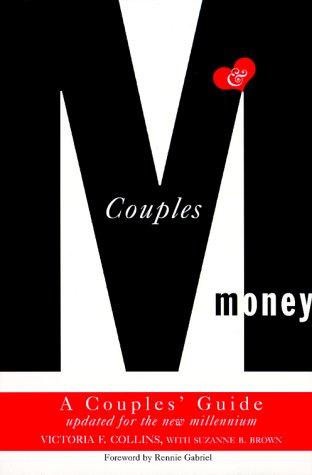
Couples and money
by Victoria F Collins · 1990
Written specifically for couples navigating different financial personalities and histories. Provides conversation scripts, conflict-resolution tools, and a step-by-step system for building a shared financial identity.


Get notified when our book picks change.
Set it once. We'll email you when a pick worth knowing about changes — no checking back.
Questions about this list
Should newlyweds combine all their finances or keep separate accounts?
There's no universal rule. Many financial planners recommend a hybrid model: joint accounts for shared expenses (mortgage, utilities, groceries) and individual accounts for personal spending. This preserves autonomy while keeping household finances transparent. What matters most is that both partners agree on the structure and review it together regularly.
What financial conversations should couples have in the first year of marriage?
Disclose all debts — student loans, credit cards, car payments — and your current credit scores. Agree on a monthly budget and savings targets. Decide on account structure. Update beneficiaries on retirement accounts and insurance policies. Set a threshold for big purchases that require a joint decision (commonly $200–$500). Most couples avoid these conversations; the ones who have them early avoid most financial conflict later.
How should newlyweds prioritize saving for a home versus building retirement savings?
Capture any employer 401(k) match first — that's a guaranteed 50–100% return on those dollars. Then build a 3–6 month emergency fund. After that, splitting contributions between a down payment savings account and retirement accounts makes sense for most couples. The right ratio depends on your timeline, local housing market, and existing debt load.