
Fool's Gold vs The Antisocial Network: Two Financial Crises, Two Systems That Failed.
Two books, one decision — which one belongs on your shelf.
Side by side
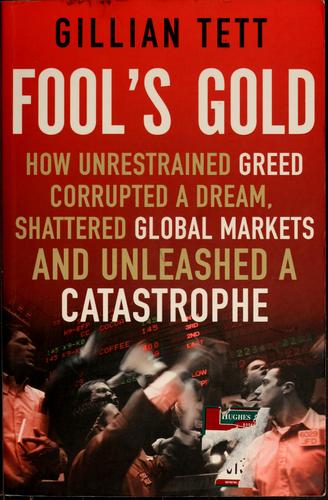
For readers who want to understand the intellectual and institutional origins of the 2008 financial crisis —…

For readers who lived through the GameStop episode and want a readable narrative account of what happened and…
What we're comparing
Gillian Tett's Fool's Gold is an authoritative account of how JPMorgan's credit derivatives team invented the financial instruments that ultimately triggered the 2008 global financial crisis. Ben Mezrich's The Antisocial Network tells the 2021 GameStop short squeeze story — how retail traders on Reddit's WallStreetBets briefly upended a Wall Street short position and exposed the fragility of the modern trading infrastructure. Both books use specific events to reveal systemic failures in financial markets, but they're written for different readers and with different degrees of rigor.
Best for — depends on the reader
For readers who want to understand the intellectual and institutional origins of the 2008 financial crisis — specifically how credit derivatives moved from a genuine innovation to a systemic catastrophe — and who are comfortable with some financial complexity in exchange for a more analytically rigorous account than most crisis books provide.
For readers who lived through the GameStop episode and want a readable narrative account of what happened and who was involved — not for investors seeking repeatable strategy or rigorous market analysis.
Attribute by attribute
A check marks an objective capability a book offers (e.g. an audiobook edition). Publication year and length are shown as facts, not scored — newer or shorter isn't "better" for a classic. Confirm current editions on Amazon.
Dimension by dimension
Which one belongs on your shelf
“Fool's Gold is the more important book by a significant margin — Tett's account of the 2008 crisis is essential reading for anyone trying to understand modern financial markets, regulatory philosophy, or the incentive structures of large investment banks. Read it as serious financial journalism. The Antisocial Network is the more entertaining read for a general audience — Mezrich's narrative skill makes the GameStop story visceral and immediate. Read it for the cultural story of retail trading's brief revolt against Wall Street. If you can read only one, Fool's Gold has more durable educational value.”
Common questions
Is Fool's Gold focused only on JPMorgan, or does it cover other banks?
JPMorgan is the narrative spine, but Tett traces how their credit derivatives innovations spread to other institutions — Citigroup, Merrill Lynch, Bear Stearns, and AIG — and how each firm's application of the same instruments produced catastrophically different risk profiles. It's a JPMorgan story told as a system story.
What happened to the GameStop traders after the squeeze?
The Antisocial Network covers the immediate aftermath; for ongoing developments, subsequent reporting is needed. Most retail traders who bought at peak prices during the squeeze suffered significant losses when the stock corrected. A handful who bought early and sold at the peak made substantial returns. Keith Gill ("Roaring Kitty") became a symbol of the movement.
Did the GameStop squeeze produce any lasting regulatory changes?
Limited ones. The SEC issued a report on market structure and meme stocks, and there were Congressional hearings. Robinhood implemented changes to its clearing requirements. But the fundamental dynamics — payment for order flow, clearing settlement lag, short interest reporting — were largely unchanged. The event produced more cultural than regulatory impact.