
How to Read a Prospectus.
The document that tells you everything the IPO roadshow doesn't
Books in this guide.



When a company goes public through an initial public offering, it files a prospectus with the Securities and Exchange Commission. The prospectus is the legal disclosure document that every potential investor is supposed to read before buying shares.
Almost no retail investors read it. This is a mistake.
The prospectus is the most comprehensive and legally scrutinized document a company ever produces. Because false statements in a prospectus carry significant legal liability, companies and their lawyers are forced to disclose material risks, conflicts of interest, and unflattering facts that would never appear in a press release or roadshow presentation.
The structure of a prospectus
Prospectus summary. The first few pages describe the business, the offering, and how the proceeds will be used. Read this section, but read it skeptically — it's the most marketing-oriented part of the document.
Risk factors. This section lists everything that could go wrong. It is written by lawyers to be comprehensive, which means it often contains dozens of risks, many of which are boilerplate across all IPO filings in the same industry. The task is to identify the risks that are specific and material to this company — not the generic "we operate in a competitive market" language, but the disclosures that reveal something specific about this business's vulnerabilities.
Use of proceeds. This section explains how the company plans to spend the IPO money. "General corporate purposes" is a warning sign — companies with specific growth plans say so. "Repay existing debt" is worth noting: it means the IPO is largely enriching prior creditors, not funding future growth. "Founder and early investor liquidity" is common but worth tracking — it indicates how much of the IPO is new capital vs. existing investors exiting.
Dilution. This section shows the difference between what early investors paid for shares and what IPO investors will pay. A large dilution gap means IPO investors are paying a significant premium over what insiders paid — which is normal but important to quantify.
Business and competition. The company's description of its business model, competitive landscape, and growth strategy. Compare this section to the risk factors section: the risk factors will often describe the same competitive dynamics in a less flattering light.
Management and compensation. Executive backgrounds, compensation arrangements, and any related-party transactions. Look for unusual compensation structures, large insider loans, or arrangements that benefit management at shareholder expense.
Financial statements. The historical financial statements included in a prospectus are audited (for operating companies) and represent the most reliable financial data available. For pre-revenue or early-stage companies, study the cash burn rate carefully.
What to look for in risk factors
Not all risk factors are equal. Lawyers include boilerplate to protect against liability; the most informative risk factors are the ones that disclose something specific about this company's situation:
- Revenue concentration: "One customer represents X% of our revenue" is material. - Regulatory dependency: businesses that require ongoing regulatory approval carry specific risks. - Going concern language: if auditors have flagged concern about the company's ability to continue as a going concern, that is not a routine disclosure. - Related-party transactions: dealings between the company and insiders deserve scrutiny. - Intellectual property disputes: pending litigation against key IP is a material risk.
The books that build prospectus-reading skills
The analytical skills for reading a prospectus are fundamentally the same as those for reading financial statements generally. One Up on Wall Street by Peter Lynch provides accessible financial statement analysis for non-accountants. The Intelligent Investor by Benjamin Graham provides the framework for evaluating new issues — Graham was skeptical of IPOs as a category, arguing that the seller's information advantage over the buyer is rarely priced in favor of the buyer.
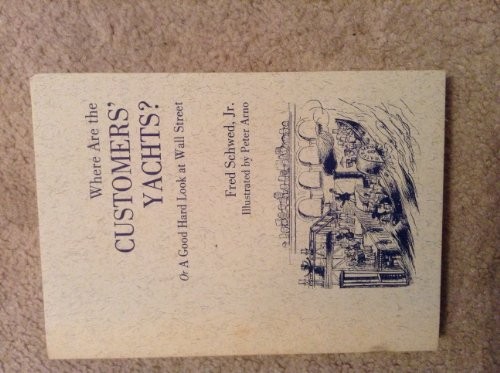
For readers interested in IPO investing as a category, Where Are the Customers' Yachts? by Fred Schwed remains one of the most incisive critiques of the investment industry's incentive structures, including the IPO underwriting process.
Common questions.
Where can investors find a company's prospectus?
All prospectuses are filed with the SEC and available free at sec.gov/cgi-bin/browse-edgar. The S-1 is the initial filing; the final prospectus is the 424B4. Both are publicly accessible.
Do SPACs have prospectuses?
Yes, SPACs file prospectuses at IPO and again when they announce a merger target (the merger proxy/prospectus). The merger document is the more important one — it discloses the target company's financials and the deal terms.
How is a prospectus different from a red herring?
A red herring is the preliminary prospectus filed before the offering price is set. It contains all the disclosure information but leaves the price blank. The final prospectus adds the price and any material updates from the roadshow period.