
Best Books About Bootstrapping a Business.
Capital discipline when you're the only investor
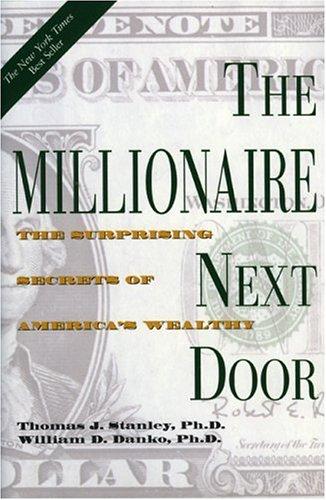
Bootstrapping is mostly capital discipline. The product matters, the market matters, but the founders who survive long enough to find product-market fit are the ones who treated every dollar like it had to come back twice. The reading list below isn't a bootstrapping playbook — the catalog doesn't have one — but it is the financial mindset the best bootstrappers operate from, drawn from investors who spent careers refusing to lose money. Margin of Safety by Seth Klarman is the central read. Klarman's discipline — never bet so much on a single thesis that being wrong is fatal — is the operating principle of every bootstrapped business that makes it past year three. A bootstrapper has no Series B to bail them out of a bad hiring decision or a bad pricing experiment. That constraint is the entire game, and Klarman makes it explicit. The book is hard to find in print; library copies and used copies are fine. The Intelligent Investor is the second pillar. Graham's distinction between investment and speculation, his insistence on knowing what something is actually worth before paying for it, and his Mr. Market parable all transfer directly to bootstrapping decisions. Every CAC payback calculation, every contractor-vs-employee decision, every 'should I take this customer at a discount' question is a Graham-style valuation problem in disguise. The Psychology of Money is the behavioral leg. Housel's observation that the goal of money is independence — including the independence to walk away from a bad customer, a bad investor, or a bad pivot — is the bootstrapper's north star. The chapter on 'reasonable beats rational' is the permission slip to make decisions that don't optimize the model but do keep you sane and solvent. The Millionaire Next Door rounds out the list with the empirical reminder that most actual wealth in America was built by people running unsexy bootstrapped businesses — dry cleaners, contractors, mid-market service firms — who lived below their means for decades. If your reference class for 'successful founder' is venture-backed unicorns, Stanley's data is the corrective.


Questions about this hub
Why no Patrick McKenzie / Rob Walling / Jason Fried on this list?
Because they're not in this catalog. If they were, they'd be on it. The investing classics here teach the financial discipline that makes the tactical bootstrapping books actionable. Read both genres if you can.
Is The Intelligent Investor really relevant to running a business?
More than most business books. Graham's framework is about how to evaluate any cash-generating asset, and a bootstrapped business is the most personal cash-generating asset you'll ever own. The Mr. Market parable applied to customer feedback or market signal is a useful translation exercise.