
Best Books for People Approaching Retirement.
The decade where mistakes stop being fixable
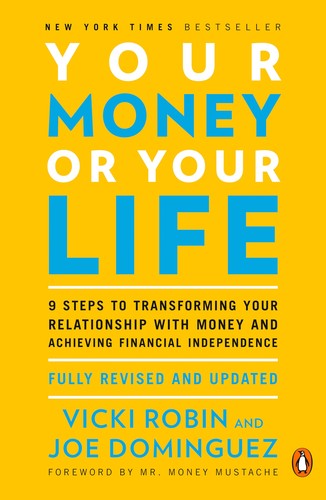
The five-to-ten years before retirement are a different problem than the twenty before that. Compounding has done most of what it's going to do. You no longer have decades to ride out a 40% drawdown. The mistakes that didn't matter in your thirties — too much stock concentration, no bond allocation, no plan for sequence-of-returns risk — start showing up as actual dollars you can't get back. The right books for this stretch are the ones that get specific about preservation, withdrawal, and behavior under pressure. The Simple Path to Wealth is the closest thing in the catalog to a pre-retirement playbook written in plain English. JL Collins is best on the question most planners dodge: how much do you actually need, and what should your allocation look like once you're inside ten years of stopping work? His answer leans heavily on low-cost index funds and a willingness to hold bonds you didn't need at 35. Worth reading even if you end up disagreeing on the bond percentage. The Intelligent Investor earns its place here for one reason: Graham's chapters on the defensive investor are written for exactly this stage of life. Skip the deep-value security analysis if it bores you. Read the asset allocation chapters and the chapter on Mr. Market twice. The behavioral framing — that the biggest threat to your retirement is your own panic, not the market — gets more useful, not less, as the account balance grows. The Psychology of Money is the single best book in the catalog on what late-career investors actually get wrong. Housel's repeated point is that wealth preservation is a different skill than wealth building, and most people who built wealth never learn the second skill in time. If you're within ten years of retiring and you've never seriously thought about what 'enough' means for you, start here. Your Money or Your Life is the values-side complement. It's older and the investment chapters are dated — skip those — but the framework for calculating what your remaining work hours are actually worth, and what kind of retirement you're funding, is hard to beat. Read it as a clarifying exercise, not an investment manual. What's missing: the catalog doesn't have a dedicated withdrawal-strategy book (Bengen, Pfau, or Kitces would be the obvious additions) or anything serious on Social Security claiming and Medicare. You'll need outside reading on the mechanics. What's here will get you the mindset and the allocation framework. The mechanics you can solve with a one-time fee-only planner.



Questions about this hub
Is The Intelligent Investor too dense for a pre-retiree?
The full book is. The defensive investor chapters and Mr. Market chapter aren't — they're maybe 60 pages combined and they're some of the most useful reading you can do in the decade before retirement. Skip the rest if you want.
What about safe withdrawal rates and the 4% rule?
The catalog doesn't cover this directly. The Simple Path to Wealth touches it. For the real mechanics — 4% rule, sequence-of-returns risk, bond tents, Roth conversion ladders — you'll need outside material. Wade Pfau and Michael Kitces write the most rigorous English-language work on this.
Should I shift fully to bonds before I retire?
Almost certainly not. Every book on this list, even the most conservative, assumes meaningful stock exposure into and through retirement. Inflation is the threat people underweight. The question isn't bonds vs. stocks — it's what percentage and what kind.