Is Rich Dad Poor Dad accurate?
In one paragraph
The book's core framework (assets vs. liabilities, wealthy people earn from owned assets not jobs) is broadly accurate and useful. Specific stories about 'rich dad' have been questioned by journalists and never fully verified, and several tactical recommendations (1990s real-estate timing, tax-avoidance specifics) are outdated.
What this actually means
There are two questions buried in this one, and they have different answers.
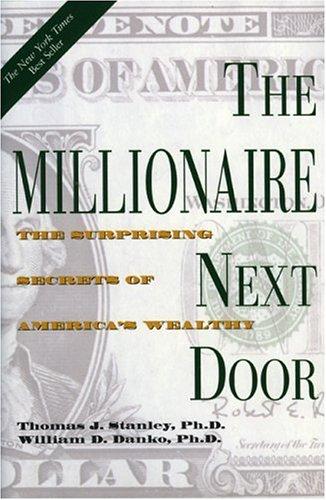
Is the framework accurate? Yes. The core distinction between assets (things that put money in your pocket) and liabilities (things that take money out) is a real and useful reframe. The argument that wealthy people get there by acquiring income-producing assets — rental property, dividend stocks, small businesses — and not just by earning higher wages is supported by independent research (Thomas Stanley's Millionaire Next Door data, Forbes' annual lists, Federal Reserve consumer finance surveys). On the mindset level, the book is correct.
Are the specifics accurate? Less so. Journalists investigating Kiyosaki's 'rich dad' character in the early 2000s (most notably John T. Reed, who pursued the question publicly for years) were never able to fully verify the man's identity. Kiyosaki has given different accounts over time. The most charitable reading is that 'rich dad' is a composite or pedagogical character; the most skeptical is that he's substantially invented. Either way, treat the personal stories as illustration, not evidence.
On tactics: Kiyosaki's real-estate recommendations reflect 1990s conditions (low interest rates, post-recession property values, pre-2008 lending standards). The mechanics he describes don't transfer cleanly to a 2026 housing market where home prices outpace wage growth by 3-5x. His tax strategies similarly reflect rules that have since changed.
The honest verdict. Read the book ONCE for the mindset reset — the assets-vs-liabilities framing is genuinely useful and explains why high-income professionals can still be financially struggling. Don't follow the specific tactical advice; pair the mindset with a careful, modern source for actual implementation (The Intelligent Investor for the analytical framework, The Psychology of Money for behavior, A Random Walk Down Wall Street for the case for index funds).
And specifically: do NOT follow Kiyosaki's recent media. The original book is a useful classic; his subsequent commentary has drifted into questionable territory and shouldn't be confused with the book itself.