Is Rich Dad Poor Dad still relevant?
In one paragraph
Yes — the mindset shift it delivers (assets vs. liabilities, building income streams beyond a paycheck) holds up regardless of decade. The specific real-estate tactics and some financial details are dated, but the core framework still changes how readers think about money.
What this actually means
Rich Dad Poor Dad was published in 1997 and has sold over 40 million copies. Nearly three decades later, the debate over its relevance has not quieted — and that persistence is itself evidence the book touches something real.
What has aged well: the distinction between assets (things that put money in your pocket) and liabilities (things that take money out) remains one of the clearest financial mental models in any popular book. The argument that schools teach you to be an employee rather than an owner is, if anything, more resonant now than it was in the late 1990s. Readers who absorb these ideas genuinely start asking different questions about where their money goes.
What has aged poorly: the specific real-estate strategies Kiyosaki describes were shaped by 1980s and 1990s tax law and market conditions. Some of the accounting characterizations are loose by professional standards. Critics — including some financial planners — point out that the book is long on inspiration and short on replicable instruction.
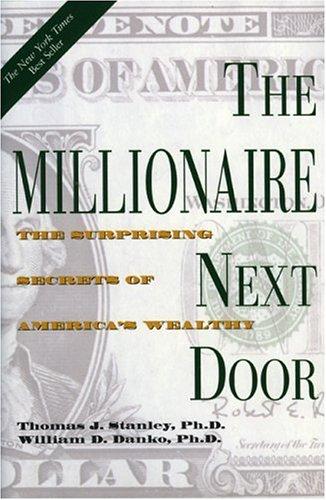
The honest framing: Rich Dad Poor Dad is a motivation book disguised as a finance book. It is most valuable as a first book — something that cracks open a new way of thinking — rather than an instruction manual. Pair it with something more rigorous (The Millionaire Next Door for grounded wealth-building evidence, or The Intelligent Investor for investing fundamentals) and the combination is genuinely powerful.
For readers who dismissed it as hype: the mindset content is worth extracting even if the specific tactics need updating. For readers treating it as a how-to guide: it was never meant to be one.