What money mindset book helps with debt?
In one paragraph
Crushing Debt by Garrett Gunderson addresses the psychological and strategic dimensions of debt elimination directly, while End Financial Stress Now provides the emotional framework for managing the anxiety that debt typically produces.
What this actually means
Debt creates a compound problem: the financial burden of payments and interest, and the psychological burden of shame, anxiety, and the sense of limited options. Most debt-focused books address one dimension or the other — practical repayment strategies or emotional support — but rarely both with equal effectiveness. The best approach combines resources that cover both.
Crushing Debt by Garrett Gunderson tackles debt with a directness that differentiates it from more hedged personal finance advice. Gunderson addresses common psychological traps that keep people in debt cycles: the tendency to manage debt payments without attacking principal, the normalization of carrying balances as a permanent lifestyle feature, and the avoidance behaviors (not opening statements, not calculating total balances) that allow debt to grow unnoticed. His framework treats debt elimination as a specific project with defined milestones, which helps readers experience the concrete progress that sustains motivation over multi-year payoff timelines.
End Financial Stress Now by Emily Guy Birken complements the strategic work by addressing the emotional dimension. Debt-related anxiety often impairs the decision-making needed to create and execute a payoff plan. Birken's work on reducing financial anxiety has direct application to debt contexts: clarity about the actual numbers, organized payment tracking, and a written plan all reduce the psychological weight of debt even before the balance meaningfully drops.
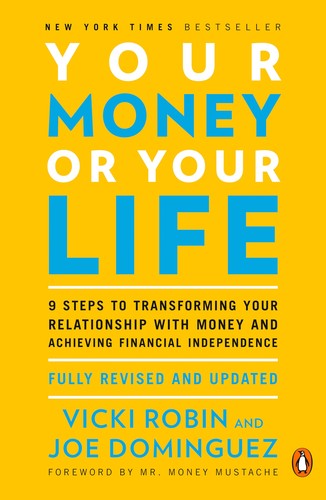
Your Money or Your Life by Vicki Robin provides a third frame that many readers find genuinely motivating: understanding how debt represents hours of life energy spent before it was earned, and how eliminating debt accelerates the path to financial independence. This reframing transforms debt payoff from a financial obligation into an act of reclaiming time and autonomy — which for many people sustains motivation more effectively than interest rate math.
Clever Girl Finance by Bola Sokunbi rounds out the picture for readers who want community alongside strategy — Sokunbi's approach explicitly addresses the shame component of debt, which is often the biggest obstacle to taking the first practical steps.