Why do smart people make bad money decisions?
In one paragraph
Intelligence and financial decision-making are largely unrelated skills — smart people make bad money decisions because money decisions are driven by emotions, social pressures, and cognitive biases that IQ does not protect against.
What this actually means
The assumption that financial competence follows naturally from general intelligence is one of the most expensive misconceptions in personal finance. High-earning professionals — doctors, lawyers, engineers, executives — consistently appear in bankruptcy filings and financial counseling offices. Their income and credentials did not protect them. Understanding why is one of the most practically valuable questions in personal finance.
The core issue is that money decisions are not primarily analytical problems. They are emotional and behavioral ones. The Psychology of Money by Morgan Housel explores this dynamic more carefully than any other mainstream finance book. Housel argues that financial behavior is shaped by the era and economic conditions in which a person grew up, the role models they observed, and the stories they tell themselves about wealth and risk — none of which track closely with cognitive ability.
Several specific cognitive biases appear consistently in smart people's financial mistakes. Overconfidence is particularly common: the same intelligence that produces professional success can convince high earners that they can identify winning investments, negotiate better deals, and time markets better than average. The evidence consistently does not support this belief. Confirmation bias leads intelligent people to seek out information that supports decisions they have already made emotionally, while discounting contradictory evidence.
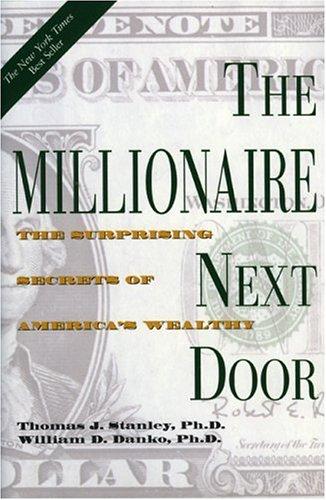
Social comparison and lifestyle inflation create a different trap. High earners often surround themselves with peers who earn and spend at similar or higher levels. The reference group shifts upward, and spending that would have seemed extravagant a decade earlier starts to feel normal. The Millionaire Next Door documents extensively how many genuinely wealthy people resist this dynamic while many high-income earners never accumulate meaningful net worth.
The corrective is not to try harder analytically but to build systems that remove behavioral decisions from the equation. Automated savings, index fund defaults, and clear written financial goals protect against behavioral mistakes in ways that willpower and intelligence do not.