What's a better book than Rich Dad Poor Dad?
In one paragraph
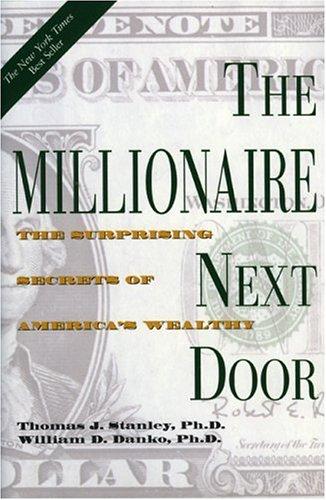
The Millionaire Next Door by Thomas Stanley and William Danko. It delivers Kiyosaki's core asset-mindset reframe — wealth is built by people who live below their means and invest the difference — with actual research instead of a parable about a fictional rich dad.
What this actually means
Rich Dad Poor Dad's lasting lesson is one sentence: spend less than you earn and put the difference into things that produce more income. Millionaire Next Door makes the same case with data — Stanley and Danko surveyed actual American millionaires and found they're overwhelmingly middle-income people in unglamorous businesses who drive used cars, live in modest neighborhoods, and have invested aggressively for 30+ years.
The research-based approach has aged dramatically better than Kiyosaki's parable. Stanley's daughter Sarah Stanley Fallaw replicated the research in The Next Millionaire Next Door (2018) and found the conclusions still hold across a new generation of millionaires.
If you want the behavioral framework without the dated 1990s real-estate tactics from Rich Dad, this is the substitute. If you want it paired with how the wealth was actually invested, add The Simple Path to Wealth.
The Psychology of Money is arguably even better as a single replacement — Housel covers similar behavioral ground (frugality, compounding, ignoring comparison) in 20 short essays that are more readable than Stanley's academic prose. But Millionaire Next Door is the direct apples-to-apples upgrade if you specifically wanted the Rich Dad lesson done better.