Is The Automatic Millionaire Homeowner still relevant?
In one paragraph
Yes, with one caveat. The core message — buy a modest primary home, pay it off automatically through biweekly payments and discipline — is more relevant than ever. The mortgage-rate context in the original 2006 edition is dated, but the behavioral framework holds.
What this actually means
David Bach published The Automatic Millionaire Homeowner in 2006, just before the housing crisis. That timing is awkward — the book promotes homeownership at exactly the moment when overpaying for homes was about to wreck millions of household balance sheets. Bach's defenders point out that the book consistently warns against buying more house than you can afford and recommends 15- or 30-year fixed mortgages. Bach's critics point out that the cultural moment the book rode was the same moment that produced subprime.
In 2026, with mortgage rates well above the 2006 levels, the math of homeownership has changed. The 'buy versus rent' calculation tilts more often toward renting in expensive metros than it did in 2006. The book's blanket optimism doesn't fully address this.
What's still durable: the biweekly mortgage payment recommendation (one extra full payment per year, cutting a 30-year mortgage to around 23-26 years); the warning against home equity loans for lifestyle consumption; the asset-mindset framing of home equity as forced savings.
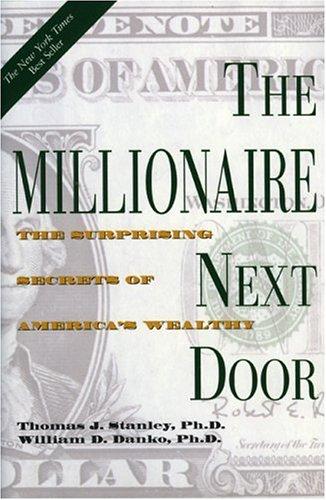
Pair the book with The Millionaire Next Door for the household-wealth context — Stanley's data shows millionaires consistently own modest homes (around 3.5× income), not aspirational ones. Bach's plan + Stanley's discipline = the path that actually works.
Verdict: the book is still worth reading, but pair it with current rent-vs-buy calculators (NYT's calculator is the most rigorous) before applying any of the recommendations.