
Best Investing Books for Teachers (2026).
Pension, 403(b), and wealth-building strategies for educators
Teachers work with uniquely complex financial structures that most investing books ignore entirely. A 403(b) plan with predatory annuity products, a state pension with vesting cliffs and benefit formulas that reward longevity, summer income gaps that break auto-investment schedules, and modest base salaries that make every dollar of investment return count more — none of this shows up in the generic "open a Roth IRA" advice. The books on this list were chosen because they work for teachers' actual financial lives: they address spending discipline on a constrained income, explain the 403(b) landscape (including how to avoid the high-fee annuity products that dominate many school district plans), and make a clear case for why a teacher with a pension and 20 years of consistent index fund contributions can retire with genuine financial security. The path is slower than a tech salary allows, but it's a real path.
Books applicable to modest but stable incomes, with coverage of defined-benefit pension dynamics, spending discipline, and long-term wealth accumulation. We excluded books that assume high discretionary income or employer matches that many teaching positions don't offer.
The list, in order
- №1◈ Best starting point
The Psychology of Money
by Morgan Housel · 2020
◈Canon★Brian's PickFor teachers especially, the behavioral side of money matters more than the tactical side. Housel's chapters on "enough," the role of time in compounding, and why you don't need a high income to build wealth are particularly relevant when salary is constrained. Start here.
- №2◈ Best for debt elimination and cash flow discipline
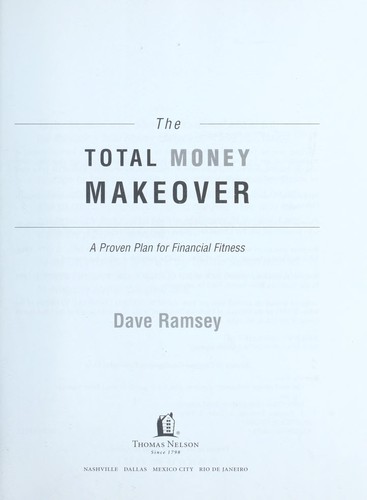
The Total Money Makeover
by Dave Ramsey
◈CanonRamsey's baby steps framework is well-matched to teacher income patterns: build a small emergency fund, eliminate debt, then invest. The prescriptive structure helps when income is tight and the margin for financial error is small. His 403(b) guidance is basic but directionally correct.
- №3◈ Best for simple long-term investing
The Simple Path to Wealth
by Jl Collins · 2016
◈Canon★Brian's PickAfter The Total Money Makeover clears the debt, Collins's index fund case is the investing implementation layer. Clear, short, and free of jargon — teachers who don't want to become investing hobbyists get everything they need to set up a simple portfolio and not touch it.
- №4◈ Best for reframing what's possible on a teacher's salary
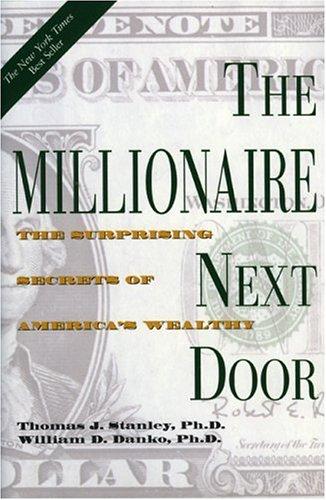
The Millionaire Next Door
by Thomas Stanley · 1996
◈Canon★Brian's PickStanley and Danko's research shows that wealth accumulation correlates more with frugality and consistency than with income level — a finding that is directly validating for teachers who feel behind because of salary, not behavior. The PAW (Prodigious Accumulator of Wealth) formula recalibrates what's possible.
- №5◈ Best comprehensive plain-English reference
The only investment guide you'll ever need
by Andrew P Tobias
Tobias's tone — warm, practical, never condescending — fits the educator audience well. His coverage of low-cost investing, the mechanics of retirement accounts, and insurance products (including the annuities that predatory 403(b) vendors push) gives teachers the vocabulary to evaluate what their school district is actually offering.



Get notified when our book picks change.
Set it once. We'll email you when a pick worth knowing about changes — no checking back.
Questions about this list
Should I rely on my pension or also invest in a 403(b)?
Both, if possible — but understand your pension's vesting schedule and benefit formula first. Many state teacher pensions only pay their full benefit to teachers who stay 25-30 years in the same system. If you might move states or leave teaching, your pension benefit can be significantly reduced. A 403(b) gives you portable, individually-owned retirement savings. The catch: many school district 403(b) plans are dominated by high-fee annuity products. If your plan offers a low-cost mutual fund option (Vanguard, Fidelity, or TIAA-CREF), use that instead of the annuity-based options.
How do I handle the summer income gap for investing?
If your school district offers a summer pay option (spreading 9 months of salary across 12 equal paychecks), take it — it eliminates the cash flow gap and makes automatic investing consistent year-round. If your district pays 9-month lump schedules, build a cash buffer equal to two months of expenses before the school year ends, and set investment contributions at a level that's sustainable through the summer gap. Don't over-contribute during the school year and then halt entirely — consistency beats optimization.
What about Teacher Loan Forgiveness for student loans?
Teacher Loan Forgiveness (TLF) and Public Service Loan Forgiveness (PSLF) are different programs with different rules. TLF offers up to $17,500 in forgiveness after 5 years teaching in a low-income school — but only on certain loan types. PSLF offers 100% forgiveness of remaining balance after 10 years of qualifying payments for public school teachers at government-funded schools. PSLF is generally the better deal for teachers with significant debt. Neither book on this list covers PSLF in depth — visit studentaid.gov for current rules before making loan repayment decisions.