
The Best Personal Finance Books for Couples (2026).
Books that bridge the money-talk gap before it bridges your relationship
Most personal finance books are written for one person making decisions alone. That's almost nobody. Couples bring two backgrounds, two anxiety patterns, two definitions of 'enough,' and one bank account that's supposed to absorb the difference. The four books below are the ones we've seen actually move money conversations from arguments to plans.
Books that explicitly address the two-person money dynamic — joint accounts vs separate, who-pays-what, spender-vs-saver friction, retirement timing differences. Excluded pure-investment books unless they have a clear partner-context chapter.
The list, in order
- №1◈ Read first, together
The Psychology of Money
by Morgan Housel · 2020
◈Canon★Brian's PickRead this together before you read anything tactical. Housel's essays cure both partners of the comparison + lifestyle-creep anxiety that drives most household money fights. The same lesson lands for both of you simultaneously — no one's 'the saver.'
- №2◈ Best for resetting comparison anxiety
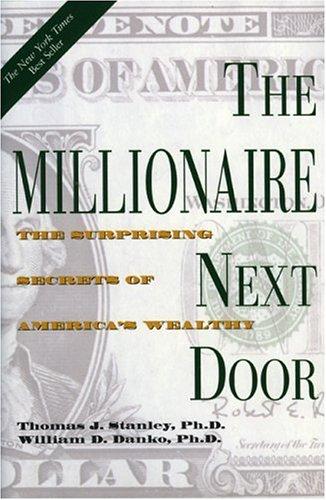
The Millionaire Next Door
by Thomas Stanley · 1996
◈Canon★Brian's PickCalibrates BOTH partners' expectations about what wealth actually looks like (the unassuming neighbor, not the Instagram couple). Useful for the partner who feels behind because their feed says they should be further along.
- №3◈ Best for the mindset gap
Rich Dad Poor Dad
by Robert Kiyosaki · 1997
◈Canon★Brian's PickPolarizing pick — but if one partner has the assets-vs-liabilities mindset and the other doesn't, this book closes that gap fastest. Read the original ONLY (skip Kiyosaki's recent media). Pair with a more careful book afterward.
- №4◈ Best for the investing co-pilot
The Intelligent Investor
by Benjamin Graham · 1949
◈Canon★Brian's PickThe 'we should probably actually invest something' read once the mindset work is done. The 2003 Zweig commentary edition. One partner reads it; both partners benefit. Don't both struggle through Graham's prose — let one do the homework.



Get notified when our book picks change.
Set it once. We'll email you when a pick worth knowing about changes — no checking back.
Questions about this list
Should we both read every book, or split them up?
Read Psychology of Money together — that's the foundation. Split the others. One partner reading and summarizing for the other is more efficient than both grinding through Graham's 1949 prose. The shared vocabulary matters more than the shared reading hours.
What if my partner refuses to read finance books?
Start with Psychology of Money's audiobook in the car. It's 6 hours total, conversational essays, no reading required. Most reluctant partners will engage with it because it's about behavior, not math. If they still won't, that's a relationship signal, not a book signal.
What about more tactical 'couples and money' books like Smart Couples Finish Rich?
Bach's book has useful frameworks (the Latte Factor, automatic savings) but the conversations and templates feel dated. The four books above teach you principles + temperament, which is the harder problem. Once those land, the tactical layer is easy.