

Brand shift

Curated by Brian Kim, CPA — every pick gets a plain-English summary and the key takeaways.
Brian Kim, CPA · 2.89M YouTube Subscribers →What this book actually teaches
- 01The core argument is that the Shift Age — defined by digital connectivity, mobile saturation, and social media — transferred meaningful brand authorship from companies to consumers, making broadcast-era brand management structurally obsolete.
- 02Authenticity is the foundational brand asset in the social media era: customers can fact-check claims instantly and share counterexamples globally, so brands that overpromise face faster reputational damage than at any prior point in history.
- 03Internal brand alignment is a prerequisite for external credibility — employees must understand and embody the brand's purpose before customers will believe it, and misaligned internal culture is now a public vulnerability.
- 04Mobile connectivity fragmented brand exposure from scheduled advertising into continuous micro-moments, requiring brands to engage across contexts they don't control rather than curated media environments they own.
- 05The book is stronger on strategic diagnosis than on implementation tactics — readers building execution plans should pair it with more operationally focused marketing texts.
What's in this book
Brand Shift by David Houle, published in 2015, argues that the combination of the digital revolution, social media, and a fundamental change in social consciousness has permanently altered the relationship between brands and consumers — and that companies clinging to broadcast-era brand models will lose ground to those that learn to co-create meaning with their audiences. Houle, a futurist and author of The Shift Age series, frames the book around the idea that brands are no longer things companies own; they are now things consumers shape, share, and redefine in real time.
The book opens with Houle's Shift Age framework: a historical narrative in which the Information Age gave way to a Shift Age defined by accelerating change, global connectivity, and the migration to the cloud — both literal (digital infrastructure) and metaphorical (distributed, decentralized culture). Brand Shift argues that the advertising-led, top-down model of brand building that worked in the television era assumes a passive consumer who no longer exists. Today's consumer is a participant, a critic, and sometimes a co-author of a brand's story. The book coins the phrase "Brand Shift" to describe the transition every organization must make from broadcasting identity to facilitating community.
Houle introduces a set of principles for brands navigating the shift. Authenticity is the first and most load-bearing: in an era when customers can fact-check claims instantly and share counterexamples globally, brands that make promises they can't keep face faster reputational damage than at any prior point in history. The book draws on case studies of brands that managed the transition well (including early social-media-native companies and legacy brands that reinvented their engagement models) and those that didn't. Transparency, purpose-driven positioning, and the willingness to treat customers as collaborators rather than targets are recurring themes. Houle is particularly attentive to how mobile connectivity changed the brand-consumer relationship: consumers now encounter brands in micro-moments throughout the day, not in the curated scheduled advertising environment of broadcast media.
The book also addresses internal brand alignment — the idea that a brand's external authenticity depends on internal culture. Houle argues that employees must understand and embody the brand's purpose before customers will believe it, and that companies with misaligned internal and external brand identities are especially vulnerable in the social media era, where employee experience is public information.
Who this is for: marketing executives and brand managers at established companies who are wrestling with how to translate legacy brand equity into digital-era relevance, and founders building brands who want a strategic framework grounded in cultural and technological context rather than tactical channel advice.
Weaknesses
Houle's futurist register can slide into generality, and some of the specific examples feel dated given the pace of change in digital marketing. The book diagnoses the shift compellingly but is less prescriptive about implementation — readers looking for a tactical playbook will want to pair it with more execution-focused marketing texts. The Shift Age framework, while useful as organizing context, can feel like it's carrying too much explanatory weight across different phenomena.
Verdict
a solid strategic frame for brand leaders who need to understand why their broadcast-era instincts keep failing them in digital contexts; stronger on diagnosis than prescription, but the diagnosis is clear and well-argued.
Read next
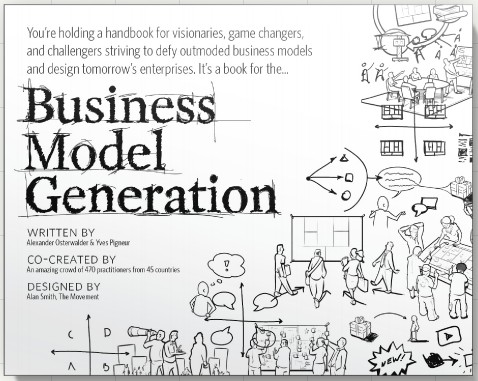
For entrepreneurs designing new ventures, corporate innovation teams working on business model transformation, MBA st…
Buy on Amazon →
Engineers, scientists, and researchers considering or early in the process of commercializing a technical innovation…
Buy on Amazon →
Small business owners — particularly those with five or more years of meaningful profitability — who want a CPA-ancho…
Buy on Amazon →
Tax professionals, policy analysts, and informed citizens who want to understand the structural case for replacing th…
Buy on Amazon →About David Houle
Read more from David Houle and explore the full bibliography on ClearValue Books.
View David Houle's page →Get an email if our take on Brand shift changes.
We re-review our picks. We'll email you if Brand shift's ranking or review changes — no checking back.
